




Best Slim Power Banks in 2026: Ultra-Thin Portable Chargers That Fit Your Pocket
Last updated: February 14, 2026
Quick Answer
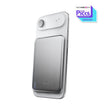
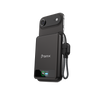
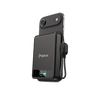
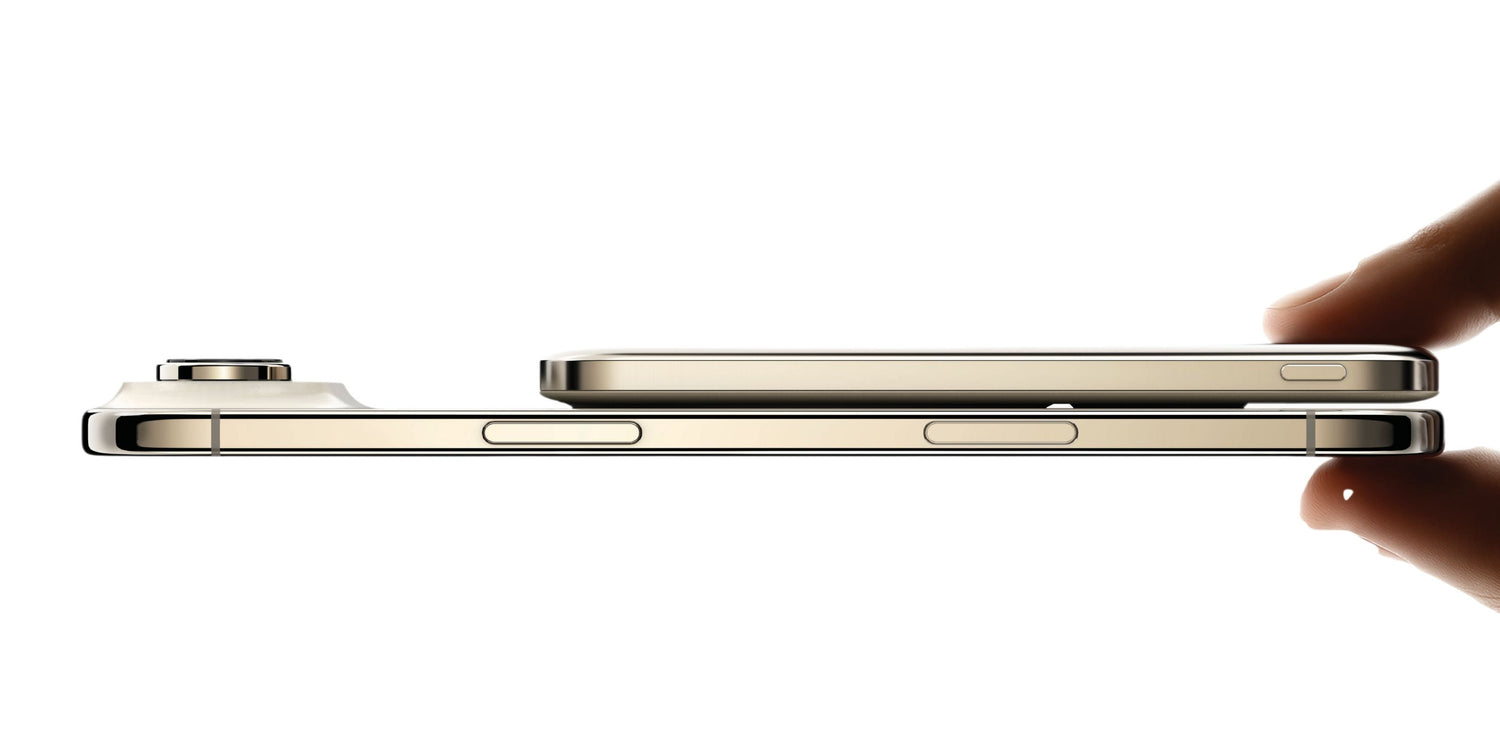
BMX SolidSafe Air (6.8mm, semi-solid-state battery, $59.99) - The thinnest Qi2-certified power bank using safer battery chemistry. Titanium shell stays cool during wireless charging. True pocket-carry thickness that fits inside MagSafe cases.
How it compares to alternatives:
- Baseus PicoGo AM31 (7.6mm, $50-60) - Compressed lithium-polymer, runs warmer during use
- Anker Nano (8.6mm, $40-50) - Traditional battery tech, thicker profile
Key decision: Sub-7mm thickness requires either semi-solid-state battery technology (BMX) or aggressive compression of traditional batteries (most competitors bottom out at 7-8mm). Pushing traditional lithium-polymer below 7mm creates thermal stress. For true pocket-carry, that sub-7mm threshold matters.
The best slim power banks are thinner than your phone and light enough to forget they're there. We're talking 7-10mm thick - about the width of 6-7 credit cards stacked together.
This guide breaks down which slim power banks are worth buying, what makes some thinner than others, and whether ultra-thin is worth the trade-offs.
Jump to: Comparison Table | Jump to: Thinnest Option
CES 2026 Coverage
At CES 2026, tech press including Cult of Mac, 9to5Mac, and AndroidHeadlines highlighted BMX's SolidSafe Air as "the standout design" in the slim power bank category. The 6.8mm semi-solid-state architecture represents the first sub-7mm Qi2 power bank using safer battery chemistry rather than aggressive battery compression.
Multiple outlets called it the "world's slimmest semi-solid-state power bank" - a category competitors using traditional lithium-polymer cannot enter.
What Counts as "Slim" for a Power Bank?
Under 10mm = slim. That's where the market draws the line.
For reference: iPhone 16 Pro is 8.25mm thick. Most regular power banks are 14-18mm - thick enough that you feel them in your pocket all day. The ultra-thin portable chargers we're looking at are 6.8mm to 10mm thick.
At that thickness, you can magnetically attach one to your iPhone and the whole stack still slides into your jeans pocket.
Why Most Power Banks Are Thick (And How Some Get Thin)
Regular power banks have liquid inside the battery cells. That liquid needs space to move safely. You can only squeeze it so thin before you hit physics limits.
Most ultra-slim power banks get thin by compressing traditional batteries as hard as possible, then adding cooling to handle the heat stress. That's why they bottom out around 7-8mm.
Semi-solid-state batteries take a different approach: they drastically reduce the liquid inside. What's left is thick and gel-like instead of free-flowing. Less liquid = less containment space needed = thinner cells from the start.
The Thinness Difference
Traditional batteries: Compress liquid-based cells as hard as possible, add cooling layers. Minimum thickness: ~7-8mm for 5,000mAh.
Semi-solid-state batteries: Less liquid from the start means less containment needed. Can hit 6-7mm with proper structural support (like titanium).
Why You'd Want a Slim Power Bank
When you stick a power bank on the back of your phone, thickness matters. A lot.
At 15mm total thickness (phone + bank), it feels like carrying two phones stacked. At 10mm or less, it feels like your phone with a slightly thicker case. That difference is whether the power bank lives in your pocket all day or stays in your bag until you desperately need it.
Slim power banks also fit in places thick ones don't: passport holders, jacket inside pockets, airplane seat-back pouches. If your power bank lives in a backpack, thickness doesn't matter. If it needs to disappear into slim carry scenarios, every millimeter counts.
Slim Power Bank Comparison Table
| Model | Thickness | Weight | Capacity | Battery Type | Wireless | Body | Price |
|---|---|---|---|---|---|---|---|
| BMX SolidSafe Air | 6.8mm | 116g | 5,000mAh | Semi-solid-state | 15W Qi2 | Titanium | $59.99 |
| Baseus PicoGo AM31 | 7.6mm | 136g | 5,000mAh | Lithium-polymer | 15W Qi2 | Aluminum alloy | ~$49 |
| Anker Nano | 8.6mm | 122g | 5,000mAh | Lithium-polymer | 15W Qi2 | Plastic + metal | ~$50 |
| KUXIU S2 | 10mm | 143g | 10,000mAh | Lithium-polymer | 15W Qi2 | Aluminum | ~$60 |
Why Semi-Solid-State Batteries Matter (Especially in Slim Power Banks)
Traditional lithium-ion power banks have caused hundreds of fires. Samsung recalled millions of Galaxy Note 7s because their batteries kept catching fire. Airlines banned hoverboards. Power banks have been pulled from flights for smoking in overhead bins.
The problem is the liquid electrolyte inside lithium-ion batteries. When compressed into ultra-thin designs, that liquid creates pressure. Under stress - heat, impact, manufacturing defects - it can vaporize and ignite.
Semi-solid-state batteries cut fire risk by drastically reducing that flammable liquid. Instead of free-flowing liquid electrolyte, they use a thick, gel-like substance. Less liquid = less fuel for fires.
What This Means for Slim Power Banks
When you compress a traditional battery down to 7-8mm, you're pushing it to physical limits. The liquid inside needs space. Squeeze it too hard and thermal risks go up.
Semi-solid-state batteries start with less liquid, so they can be built thinner without the same compression stress. That's how you get to 6.8mm without thermal compromises.
The safety difference:
- Fire risk: Less flammable liquid inside means lower ignition risk
- Heat during charging: Gel-like electrolyte stays stable at higher temps without pressure buildup
- Damage tolerance: Less liquid to leak if the power bank gets dropped or crushed
- Thermal runaway resistance: The chain reaction that causes battery fires is significantly harder to trigger
Reality check: No battery is 100% safe. Semi-solid-state just gives much better safety margins. You still need protection circuits and reasonable care. But when you're carrying a battery in your pocket all day, lower fire risk matters.
Best Slim Power Banks: Product Reviews
Semi-Solid-State Power Banks
The newest category of ultra-slim power banks uses semi-solid-state battery cells that drastically reduce flammable liquid content. This allows for genuine sub-7mm thickness without compression stress, lower fire risk, and cooler operation during wireless charging.
BMX SolidSafe Air 5K (6.8mm) - Thinnest Semi-Solid-State Power Bank

The bottom line: This is the world's thinnest 5,000 mAh Qi2 magnetic power bank using semi-solid-state battery technology. At 6.8mm, it's slimmer than Anker's 8.6mm and Baseus's 7.6mm options - and it has less fire risk.
Semi-solid-state batteries with drastically reduced liquid electrolyte allow the cells to be built thin from the start. Less liquid means less thermal pressure, less flammable material, better thermal stability at extreme thinness.
Why Titanium at This Thickness
At 6.8mm, you need aerospace-grade materials. Plastic flexes. Aluminum dents. Titanium is lighter than steel, stronger than aluminum, and spreads heat evenly instead of creating hot spots.
For a battery this thin, the enclosure IS the thermal management system. Titanium's thermal conductivity makes 6.8mm possible without overheating.
What You Get
Stripped down on purpose. No LCD. No built-in cable. Just four LED dots and a USB-C port. Those features add thickness - this chose extreme thinness and better battery tech instead.
Specs:
- 6.8mm thick
- 5,000mAh semi-solid-state cells (less fire risk)
- 15W Qi2 wireless charging
- 20W USB-C output / 15W input
- Titanium enclosure
- Four LED indicators
- TechRadar Pro Picks 2026 Award Winner
- $59.99
Real-World Use
Pocket carry with iPhone 16 Pro: Combined thickness is 15mm total. Comfortable all-day carry. Strong magnetic snap.
Travel: Fits in passport sleeves. TSA-compliant. Actually disappears in your pocket.
The safety point: Semi-solid-state cells resist the thermal runaway that causes battery fires. Less flammable liquid = less fire risk. Matters when you carry it against your body all day.
Note on other semi-solid-state options: A few brands like KUXIU have introduced semi-solid-state power banks, but at 10mm thickness - 47% thicker than the SolidSafe Air despite the same 5,000mAh capacity. Achieving sub-7mm semi-solid-state thickness requires premium structural materials like titanium to maintain cell integrity without adding bulk.
Traditional Lithium-Polymer Options
Most ultra-slim power banks use compressed lithium-polymer batteries to achieve thinness. These rely on aggressive cooling and thermal management to handle the heat generated by squeezing liquid-based cells into slim form factors.
Baseus PicoGo AM31 (7.6mm) - Established Brand Option
The pitch: Baseus is a known quantity with solid Amazon reviews. The PicoGo AM31 hits 7.6mm using compressed lithium-polymer cells and aluminum construction.
How It Compares
At 7.6mm, it's 0.8mm thicker than the SolidSafe Air - roughly the thickness of a credit card. You can feel the difference when the slim power bank is magnetically attached to your phone, but it's still genuinely pocket-friendly.
The trade-off: it weighs 136g vs 116g for the titanium option. That extra 20g comes from the aluminum body and traditional battery architecture.
What You're Getting
Standard Qi2 magnetic charging at 15W. Four LED indicators. USB-C port for wired charging. Aluminum alloy body that's reasonably durable but will show scratches and small dents over time.
Who it's for: If you want a slim power bank from an established brand with easy Amazon returns, Baseus is the safe bet. The ~$49 price point is competitive.
Anker Nano (8.6mm) - Brand Recognition Premium
Anker owns the portable charger market on Amazon. The Nano brings that brand trust to the slim power bank category at 8.6mm thickness.
The Reality Check
At 8.6mm, this is noticeably thicker than both the SolidSafe Air (6.8mm) and Baseus PicoGo (7.6mm). You're paying for the Anker name and their support ecosystem.
The body is plastic with metal accents - durable enough but not premium-feeling like titanium or solid aluminum. Weight is 122g, which is reasonable for the thickness.
Worth it if: You've had good experiences with Anker products and trust their quality control. The ~$50 price is fair for what you're getting, but you're not getting the absolute thinnest option.
Why Some Slim Power Banks Stay Cool (And Others Don't)
Getting a power bank thin is one thing. Keeping it from overheating is another.
Most ultra-slim portable chargers compress traditional liquid batteries as hard as possible, then rely on cooling layers to handle the heat. That works, but you bottom out around 7-8mm before safety becomes a concern.
The thinnest power banks (6-7mm) use semi-solid-state batteries that reduce the liquid from the start. Less liquid = less containment needed = genuinely thin without compression stress.
The Safety and Heat Difference
Fire risk: Traditional batteries have flammable liquid inside. Semi-solid-state batteries have way less liquid, which lowers fire risk significantly. Not zero - but much lower.
Heat during charging: Liquid batteries can build pressure when hot. Semi-solid-state batteries with thick, gel-like electrolyte stay stable at higher temps without the same pressure issues.
If you drop it: Less liquid means less chance of leaking or escalating if the slim power bank gets damaged.
Reality check: No battery is 100% safe. Semi-solid-state just gives better margins. You still need protection circuits and reasonable care.
This is why the thinnest magnetic power bank options (6.8-7mm) using semi-solid-state tech can stay cool to the touch during wireless charging, while some compressed traditional batteries at similar thickness run noticeably warmer.
What Slim Power Banks Can't Do
Ultra-thin portable chargers require trade-offs. Here's what you give up:
Capacity Limits
Physics is physics. At 6-10mm thickness, you're looking at 5,000-10,000mAh max. If you need 20,000mAh for multi-day camping trips, you're buying a thicker power bank.
5,000mAh gives you roughly 1-1.5 full iPhone charges. 10,000mAh gets you 2-3 charges. That's enough for daily carry or weekend trips, but not week-long backcountry adventures.
Display and Cable Trade-Offs
LCD displays showing exact battery percentage add 1-2mm of thickness. Built-in cables add another 1-2mm. The slimmest power banks skip these features to stay under 10mm.
If you need a display or built-in cable, you're looking at 12-15mm models. Still portable, just not ultra-thin.
Wired Charging Speed Limits
Most slim power banks max out at 20-30W wired charging. That's plenty for phones, but if you want to charge a laptop at 65-100W, you need a thicker power bank with more robust power delivery circuitry.
What to Watch For When Buying Ultra-Slim Power Banks
Compression Stress in Traditional Batteries
Most ultra-slim power banks achieve thinness by compressing traditional liquid batteries as hard as possible. This creates thermal stress - the liquid inside needs space to move safely.
At 7-8mm thickness, you're at the physical edge of what compressed lithium-polymer can handle. Some manufacturers rely on aggressive cooling systems to manage heat. Others accept warmer operation as a trade-off for thinness.
What to check: Look for thermal reviews. If a slim power bank runs noticeably warm during wireless charging, that's compression stress showing up as heat. Not dangerous necessarily, but it indicates the battery is working hard to stay within safe temperature limits.
Battery Chemistry Matters at Extreme Thinness
The thinnest power banks (under 7mm) typically use semi-solid-state batteries that reduce liquid from the start. This allows genuine thinness without compression stress.
If you see a sub-7mm power bank using traditional lithium-polymer, be skeptical. Physics doesn't change - less liquid = less containment space needed = thinner cells. Compressed liquid batteries bottom out around 7-8mm for safety reasons.
The practical difference: Semi-solid-state power banks at 6-7mm stay cool to the touch during 15W wireless charging. Compressed traditional batteries at similar thickness often require active thermal management and may run noticeably warmer.
Build Quality and Materials
At extreme thinness, the enclosure becomes critical for safety. Plastic flexes. Standard aluminum dents. Premium materials like titanium or aerospace-grade alloys provide strength without adding thickness.
If an ultra-thin power bank uses plastic construction, check durability reviews carefully. At 6-8mm, there's almost no material between you and the battery cells.
Frequently Asked Questions
Are slim power banks safe?
Yes, when properly designed - but battery technology matters significantly.
Look for UL/CE certification regardless of battery type. These certifications verify basic safety standards.
Semi-solid-state batteries offer measurably better safety margins: Research shows they have significantly reduced thermal runaway risk compared to traditional lithium-ion batteries. The drastically reduced liquid electrolyte means less flammable material inside the cell. When traditional batteries overheat, the liquid electrolyte can vaporize and ignite. Semi-solid-state batteries with thick, gel-like electrolyte stay stable at higher temperatures without the same pressure buildup.
Why this matters for ultra-thin designs: Compressed traditional batteries rely on aggressive cooling systems to manage heat in slim form factors. Semi-solid-state batteries generate less internal pressure during charging, allowing for thinner construction without compromising thermal stability.
The honest truth: No battery technology is 100% risk-free. Semi-solid-state gives better safety margins, but you still need proper protection circuits, reasonable temperatures, and normal care. Avoid ultra-cheap options from unknown brands regardless of battery technology.
Real-world difference: A 6.8mm semi-solid-state power bank can stay cool to the touch during 15W wireless charging. A compressed traditional battery at similar thickness often requires more active heat management and may run noticeably warmer.
How many times can a 5,000mAh slim power bank charge my iPhone?
iPhone 16 Pro Max (4,685mAh battery): About 1 full charge with wireless, 1.2-1.3 charges with wired charging. Wireless has ~20-25% efficiency loss, wired is more efficient.
Will a slim power bank fit in my wallet?
Depends on the wallet. At 6.8-10mm thick, slim power banks are about as thick as 6-10 credit cards. They fit in passport holders and larger wallets but won't fit in minimalist card holders.
Do magnetic power banks work with phone cases?
MagSafe-compatible cases: Yes, works perfectly. Regular cases under 3mm: Usually works. Thick cases (4mm+) or cases without MagSafe ring: Weak or no magnetic connection.
Can I bring a slim power bank on a plane?
Yes, in carry-on only. Most slim power banks are 5,000-10,000mAh (18-37Wh), well under the 100Wh TSA limit. Check your airline's specific rules - some have tighter restrictions.
The Bottom Line on Slim Power Banks
The best slim power bank depends on what you value:
Absolute thinnest: BMX SolidSafe Air at 6.8mm. Semi-solid-state battery, titanium body, genuinely pocket-disappearing thin. $59.99.
Established brand: Anker Nano at 8.6mm. Brand trust, Amazon availability, solid reviews. ~$50.
More capacity: KUXIU S2 at 10mm with 10,000mAh. Still technically slim, double the battery life. ~$60.
For daily carry where thinness actually matters - front pocket, passport holder, jacket pocket - the 6.8-7.6mm options make sense. For situations where you just want something smaller than a regular power bank but capacity matters more, the 10mm options work better.
Either way, you're getting legitimately portable power that doesn't feel like carrying a brick.


Leave a comment
This site is protected by hCaptcha and the hCaptcha Privacy Policy and Terms of Service apply.