
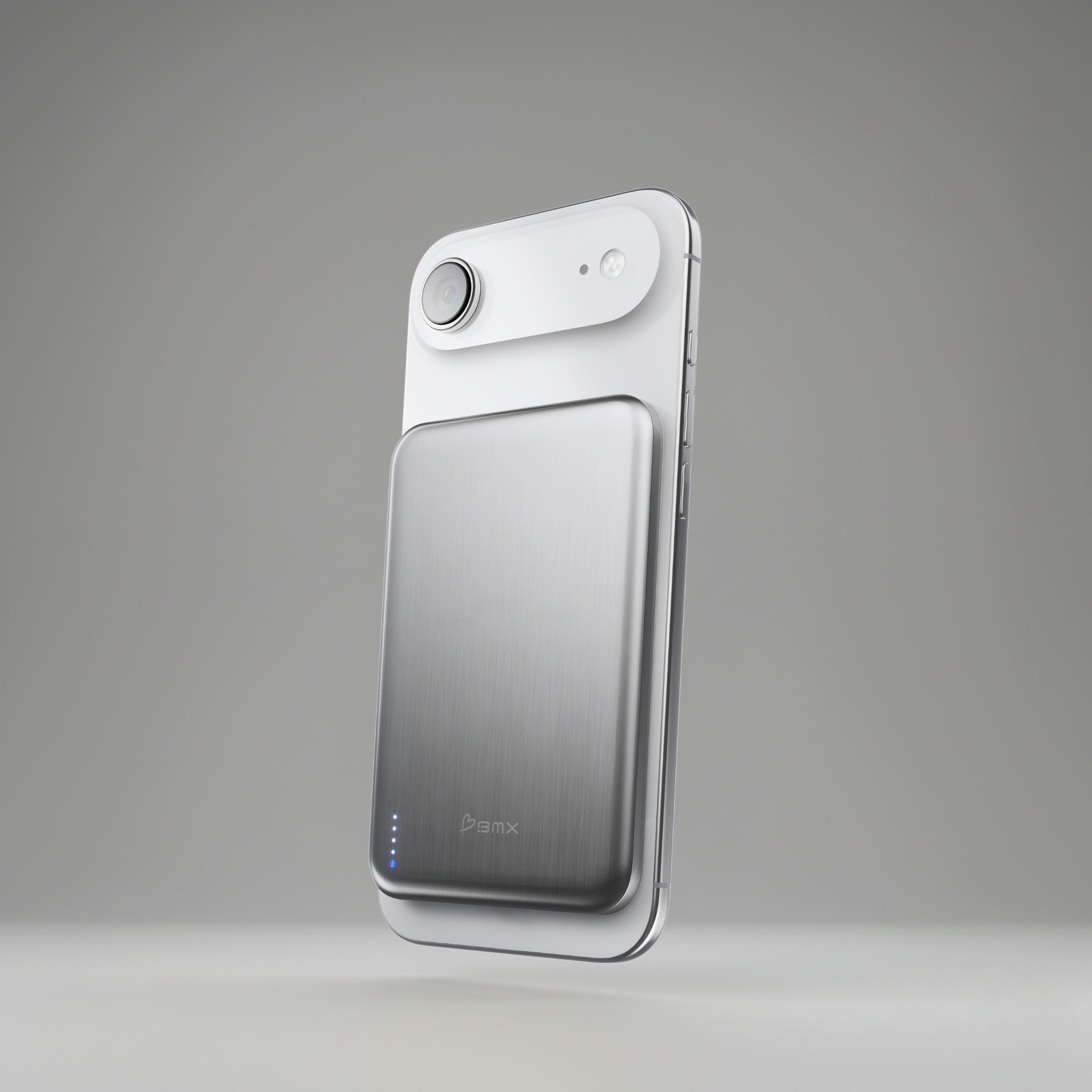
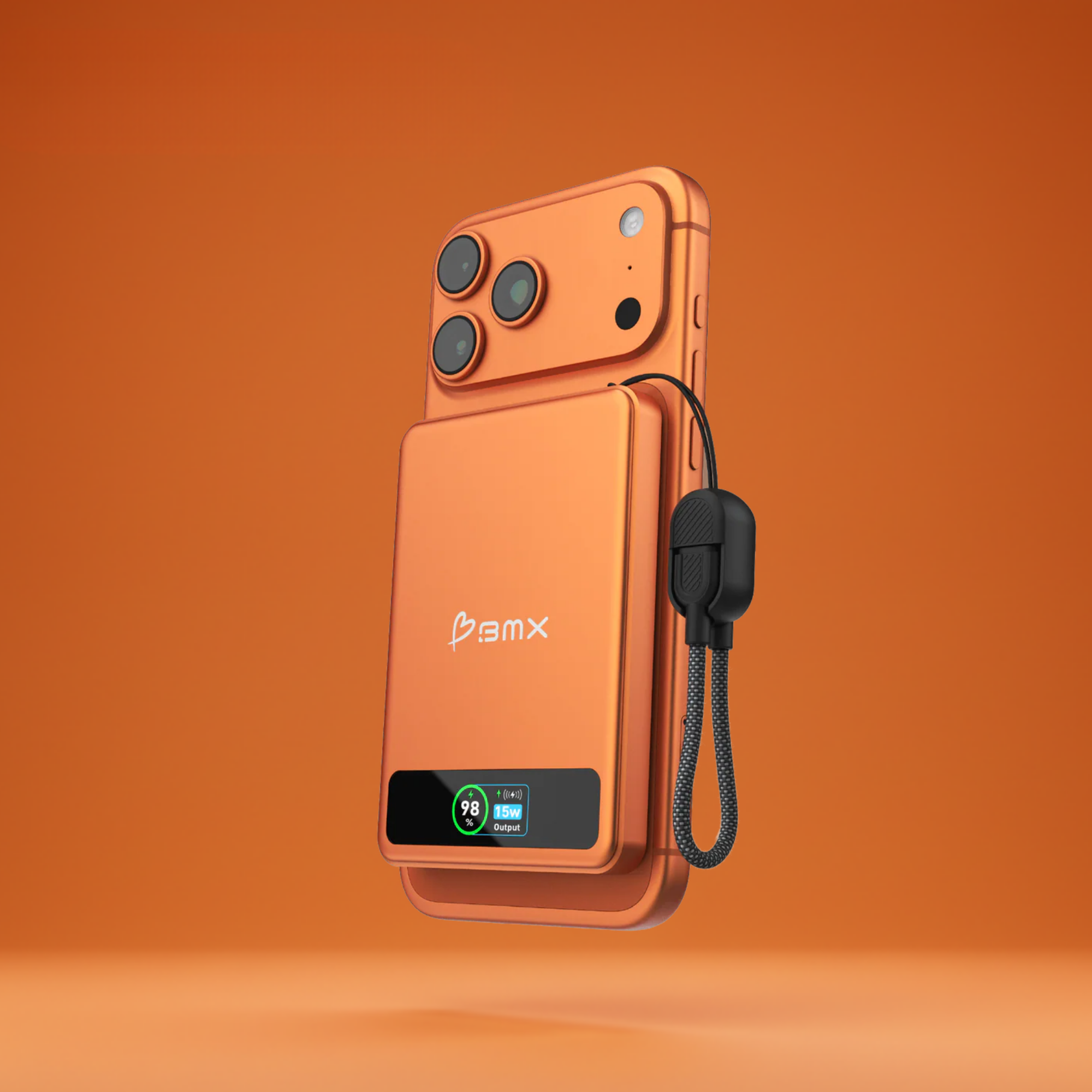
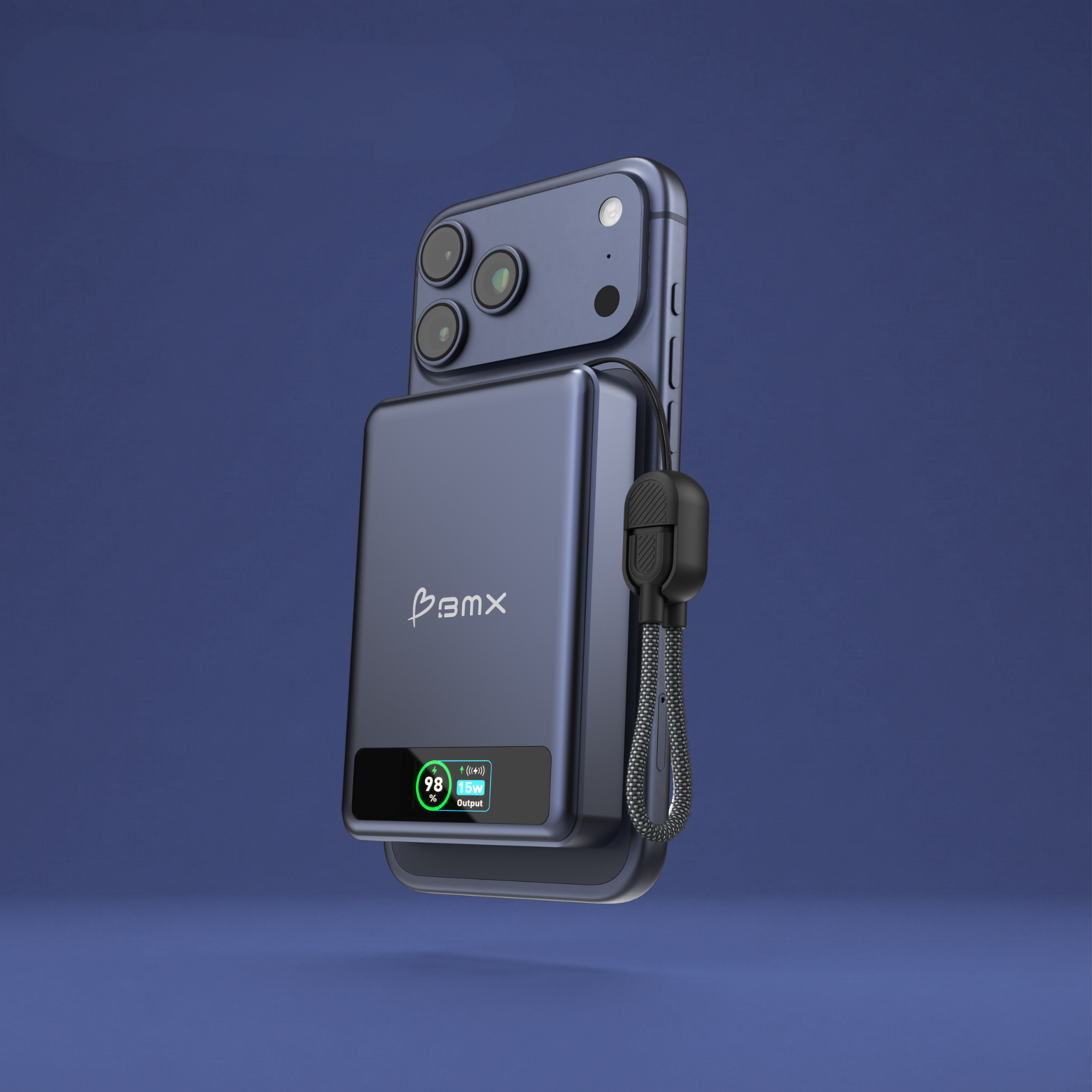
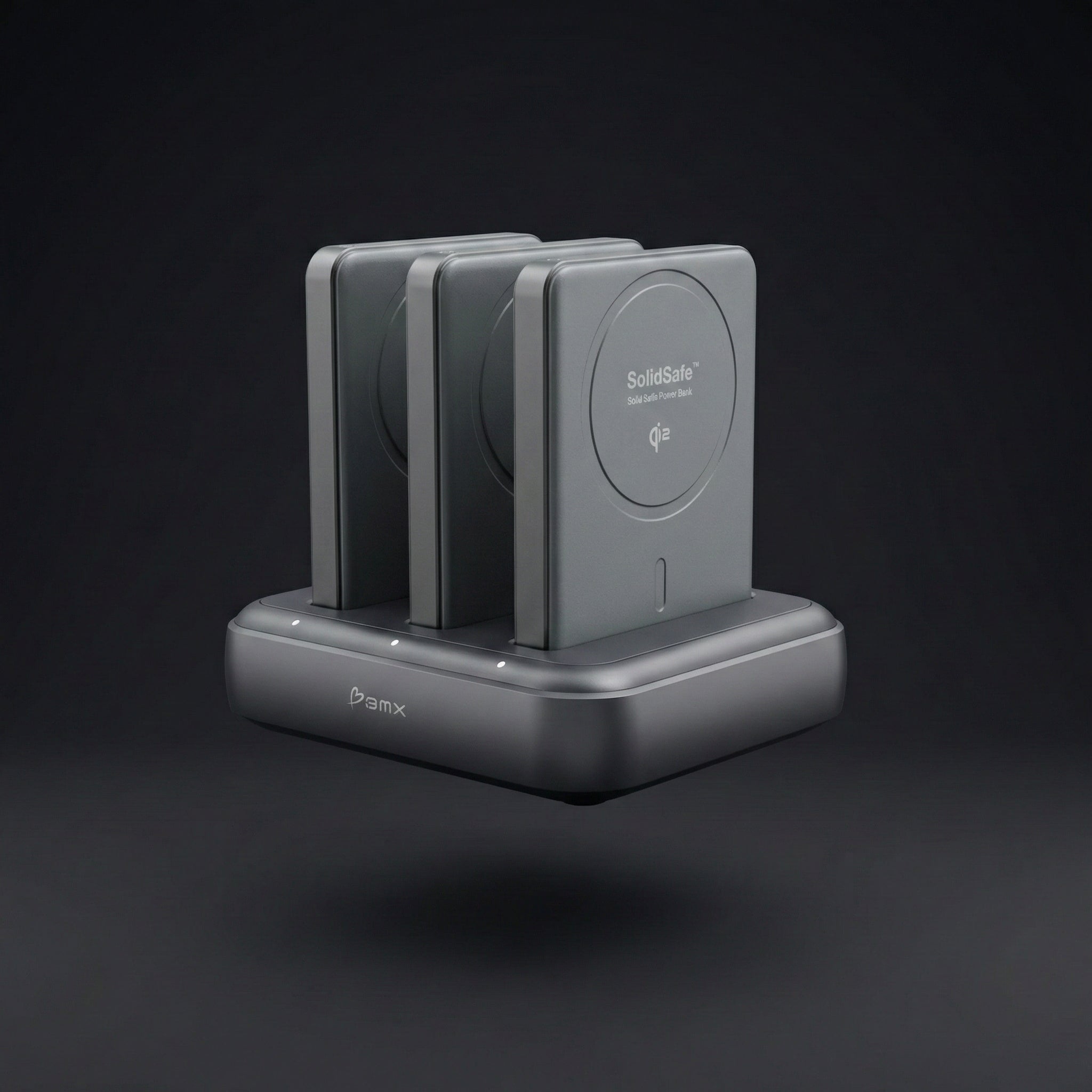
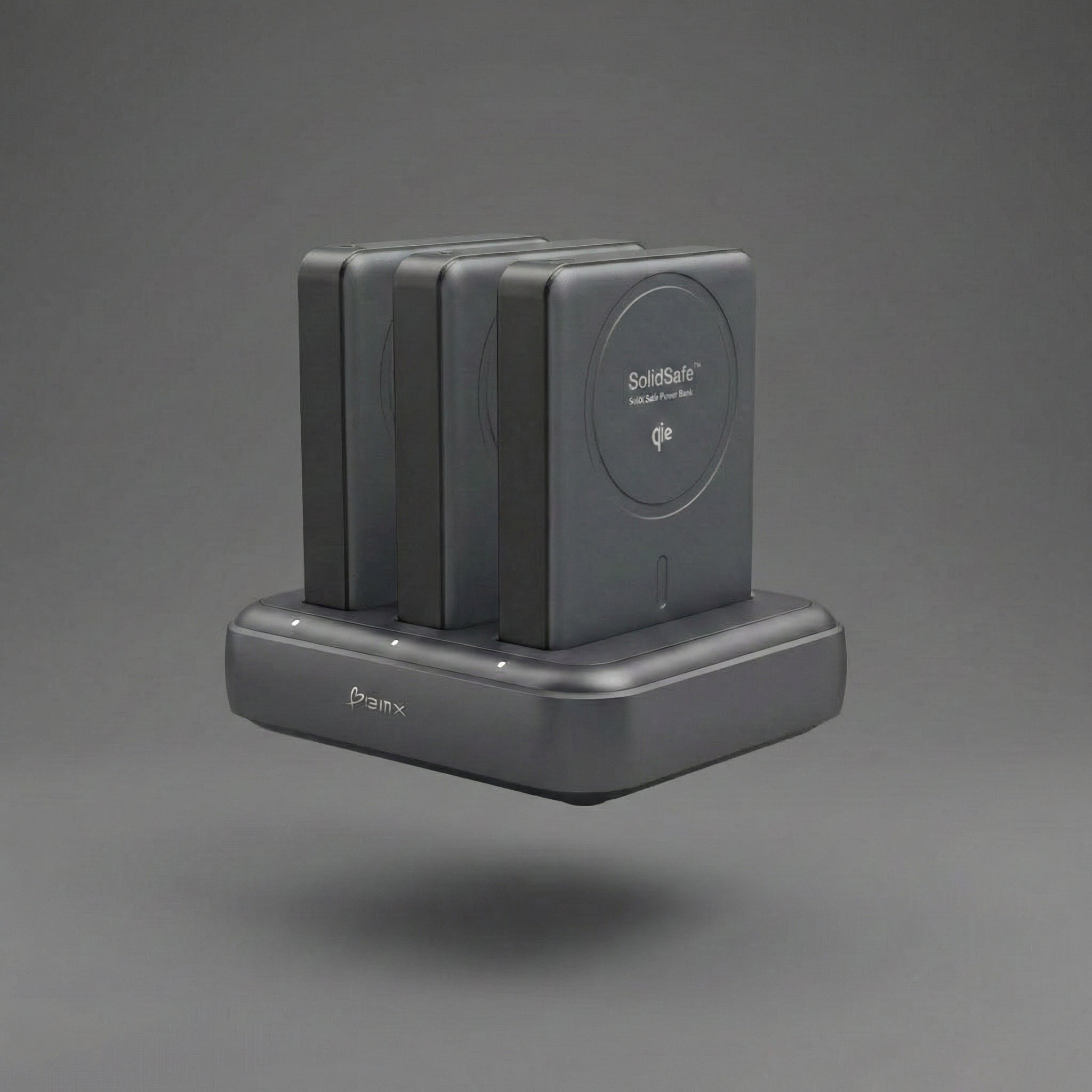

Travelers often rely on battery banks to keep their devices charged during long flights or layovers. But when it comes to bringing these portable chargers on a plane, rules can seem confusing and vary by airline and country. Knowing what’s allowed and choosing airline-compliant power banks, such as Better Mobile Xperience (BMX), SolidSafe power banks designed with safety-focused battery technology, helps avoid delays or confiscations at security checkpoints.
This guide breaks down airline regulations for carrying battery banks, explains the reasons behind these rules, and offers practical tips for flying with your mobile power safely and smoothly. Whether you’re a frequent traveler or planning a single trip, understanding these guidelines ensures your devices stay powered without hassle.
Why Are There Restrictions on Battery Banks in Air Travel?
Battery banks, especially those with lithium-ion cells, pose specific safety concerns during flights. The main issue is the risk of fire caused by battery malfunctions or damage. Lithium-ion batteries contain flammable materials that can ignite if the battery short-circuits or overheats. This risk becomes particularly concerning in the confined space of an aircraft, where a fire can escalate quickly and pose a significant threat to the safety of all onboard.
Because of these risks, aviation authorities worldwide have set rules to minimize potential dangers. These rules focus on limiting the size, quantity, packaging, and carriage of batteries on planes. Airlines and security agencies enforce these regulations to protect passengers and crew. Many airlines have specific guidelines regarding the watt-hour (Wh) rating of batteries, often limiting carry-on batteries to a maximum of 100 Wh without prior approval. This careful regulation helps ensure that only batteries deemed safe for air travel are allowed onboard.

Understanding Lithium Battery Risks
Lithium-ion batteries use liquid electrolytes that can catch fire if damaged. Some newer battery banks, such as those using semi-solid-state technology, reduce the amount of flammable liquid, thereby improving safety. However, no battery is completely risk-free, so airlines take precautions when allowing them on board. The potential for thermal runaway, a chain reaction that can lead to an uncontrollable fire, remains a significant concern, especially with older or damaged batteries. As technology advances, manufacturers continually work to enhance the safety features of these batteries, but vigilance remains necessary.
Airline Regulations and Passenger Safety Practices
Battery fires are rare but can be serious. International aviation regulations require that spare lithium batteries, including battery banks, be carried in carry-on luggage only. In the cabin, crew members have immediate access to firefighting equipment and can respond more effectively to any incidents. Passengers are encouraged to keep their devices in good condition and avoid charging them during takeoff, landing, or when instructed by the crew. Well-maintained batteries are less likely to fail. Awareness campaigns and educational materials provided by airlines also emphasize the importance of proper battery care, such as avoiding exposure to extreme temperatures and not using damaged or swollen batteries. These measures collectively contribute to a safer flying experience for everyone.
What Are The Airline Rules For Carrying Battery Banks?
Most airlines follow guidelines set by international aviation authorities such as the International Air Transport Association (IATA). These rules specify limits on battery capacity, quantity, and packaging.
Battery Capacity Limits
- Under 100 Wh (Watt-hours): Battery banks with a capacity below this are generally allowed in carry-on luggage without airline approval.
- Between 100 Wh and 160 Wh: These require airline approval before boarding. Passengers can usually bring up to two such batteries.
- Over 160 Wh: Batteries above this capacity are prohibited in passenger aircraft, both in carry-on and checked baggage, under IATA and FAA regulations. Such batteries can only be transported as cargo under specific conditions and packaging requirements.
Most smartphone power banks fall well below 100 Wh, making them easy to carry. For reference, a 10,000 mAh battery at 3.7 volts is about 37 Wh.
Quantity Restrictions
Airlines limit the number of spare batteries you can bring. Usually, you can carry up to two spare batteries between 100 Wh and 160 Wh. There is no numerical limit on batteries under 100 Wh for personal use, but quantities must be ‘reasonable for personal use only,’ as specified by IATA and most national aviation authorities. Commercial quantities may be subject to additional restrictions.
Carry-On Only Rule
Battery banks must be in carry-on bags, not checked luggage. This rule helps airline staff respond quickly if a battery overheats or catches fire. Checked baggage is stored in cargo holds, where fires are harder to detect and control.
How To Prepare Your Battery Bank For Air Travel
Proper preparation can make passing through airport security easier and keep your devices safe during the flight.
Check Your Battery’s Capacity
Look for the battery’s watt-hour rating on the label or product specifications. If it’s not listed, calculate it by multiplying the battery’s voltage (V) by its amp-hour (Ah) rating. For example, a 3.7 V, 2.7 Ah battery equals about 10 Wh.
Pack Smartly
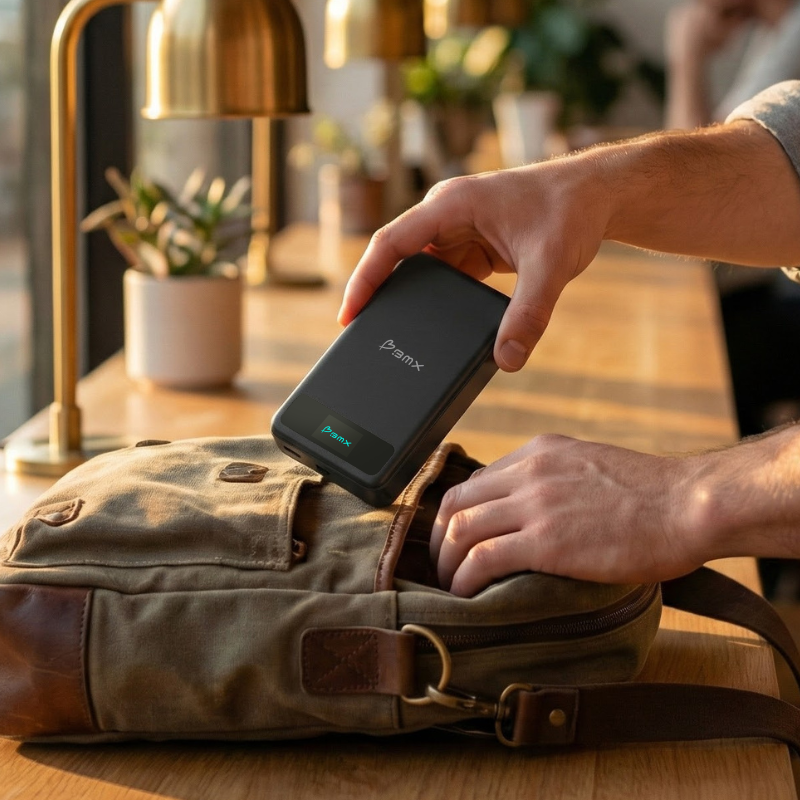
- Keep battery banks in your carry-on bag only.
- Protect terminals from short circuits by covering them or using the original packaging.
- Carry cables and devices separately to avoid damage.
Inform Airline Staff If Needed
If your battery bank is between 100 Wh and 160 Wh, notify airline personnel in advance and follow their instructions. Some airlines require you to declare such batteries during check-in.

Choosing Safer Battery Banks For Travel
Not all battery banks are created equal when it comes to safety on planes. BMX prioritizes safer battery technology and strict design standards, such as with its SolidSafe power banks, and offers added peace of mind for travelers by focusing on stability, protection, and airline-compliant power solutions
Semi-Solid-State Battery Technology
Some manufacturers use semi-solid-state batteries that reduce flammable liquid electrolytes compared to traditional lithium-ion cells. This design lowers fire risk and improves thermal stability, making these power banks better suited for air travel.
Durability and Design
Look for battery banks with sturdy materials like aluminum or titanium enclosures. Integrated LED power displays can help monitor battery status, reducing the chance of unexpected issues mid-flight.
Trusted Brands With Clear Information
Choose brands that clearly explain their battery technology and comply with airline regulations. Transparent engineering and safety-focused design reflect reliability and thoughtful construction.
What Happens If You Don’t Follow Battery Bank Rules?
Ignoring airline battery rules can lead to several problems at the airport and during your flight.
Security Delays and Confiscation
Airport security may confiscate battery banks that exceed allowed limits or are improperly packed. This can cause delays and inconvenience.
Flight Safety Risks
Non-compliant batteries increase the risk of fire hazards onboard. Airlines take these risks seriously and may refuse boarding to passengers carrying prohibited batteries.
Potential Fines or Penalties
Violating lithium battery transport regulations can result in fines or penalties under national aviation or hazardous materials laws.

Frequently Asked Questions
Can I Bring Multiple Battery Banks on a Plane?
You can carry multiple battery banks under 100 Wh without airline approval. For batteries between 100 Wh and 160 Wh, most airlines allow up to two with prior approval. More than that is usually not permitted.
Are Battery Banks Allowed in Checked Luggage?
No. Airlines require all battery banks to be carried in carry-on bags only. Checked luggage is not allowed to contain spare lithium batteries due to fire risks.
How Do I Know the Watt-Hour Rating of My Battery Bank?
The watt-hour rating is often printed on the battery or in the product specifications. If not, multiply the battery voltage (V) by the amp-hour (Ah) rating to calculate it.
What Should I Do If My Battery Bank Is Over 160 Wh?
Batteries over 160 Wh are generally prohibited on commercial flights. Consider shipping them via ground transport or using smaller capacity power banks for travel.
Do Airline Rules Differ By Country?
While most airlines follow international standards, some countries or airlines may have additional restrictions. Check with your airline before traveling to confirm their specific rules.
Fly With Confidence Using Safer Mobile Power
Battery banks are essential for keeping devices charged during travel, but understanding airline rules is key to avoiding issues at security checkpoints. Sticking to capacity limits, carrying power banks in your carry-on, and choosing products designed with safety in mind all help ensure a smooth journey.
Brands that prioritize safer battery architectures and transparent engineering, such as BMX with its SolidSafe power banks built on semi-solid-state battery technology, offer greater reliability and peace of mind while flying. By preparing carefully and adhering to airline regulations, your mobile power can travel as smoothly as you do.
Discover safer power solutions designed for modern mobile lifestyles and travel needs, helping keep your devices ready wherever your trip takes you.


Leave a comment
This site is protected by hCaptcha and the hCaptcha Privacy Policy and Terms of Service apply.