
Discarding batteries might seem straightforward, but it requires careful attention to avoid harm to people and the environment. Batteries contain chemicals and metals that can be hazardous if not handled properly. Whether you’re dealing with small household batteries or larger rechargeable ones, knowing the right way to dispose of them helps protect your home and community.
This guide is for anyone looking to manage battery waste responsibly. It covers practical steps you can take to dispose of batteries safely, explains why proper disposal matters, and offers tips to reduce overall battery waste. With clear advice and easy-to-follow methods, you’ll feel confident handling old batteries without worry.
Why Proper Battery Disposal Matters
Batteries contain materials such as zinc, manganese, lithium, nickel, cadmium, or lead, depending on their type. If thrown in the trash, these substances can leak into soil and water, causing pollution and health risks. If thrown in the trash, these substances can leak into soil and water, causing pollution and health risks. Some batteries also pose fire hazards if damaged or exposed to heat. Proper disposal reduces these dangers and supports recycling efforts that recover valuable materials. Furthermore, as the demand for electronic devices continues to rise, the number of batteries being discarded is increasing, making responsible disposal even more critical. By participating in battery recycling programs, consumers can contribute to a circular economy, where materials are reused and repurposed rather than wasted.

Environmental Impact of Improper Disposal
When certain batteries, such as rechargeable or button cell batteries, end up in landfills, toxic metals can leach into groundwater. Modern alkaline batteries pose a lower risk because they contain no mercury, but should still be recycled whenever possible. This pollution affects plants, animals, and people. Mercury and lead, found in some batteries, are especially harmful and can accumulate in the food chain. Responsible disposal helps keep ecosystems safe. In addition to the immediate effects on wildlife and water quality, the long-term consequences of battery pollution can lead to significant ecological imbalances. For instance, aquatic life can suffer from decreased reproductive rates and increased mortality, which can disrupt entire food webs. Communities near contaminated sites may face health challenges, including neurological and developmental disorders, due to exposure to heavy metals such as lead and mercury, underscoring the importance of proper disposal practices.
Fire and Safety Risks
Damaged or improperly stored batteries may short-circuit, leading to fires. This risk is higher with lithium-ion batteries used in many mobile devices and power banks. Throwing batteries in regular trash bins can create dangerous conditions during collection or at waste facilities. Following safe disposal practices minimizes these hazards. The rise of electric vehicles has introduced new battery types, which may require specialized handling due to their size and energy capacity. As these technologies evolve, so too must our understanding of safe battery management. Awareness campaigns and educational initiatives can play a crucial role in informing the public about the specific risks associated with different battery types and the best practices for their disposal, ensuring that safety remains a top priority for everyone involved in the battery lifecycle.
How to Prepare Batteries for Disposal
Before you drop off batteries for recycling or disposal, some simple preparation steps can improve safety and efficiency. These steps prevent accidental fires and make it easier for recycling centers to handle the batteries.
Identify Battery Types
Knowing what kind of battery you have helps determine the right disposal method. Common types include:
- Alkaline (AA, AAA, C, D batteries)
- Rechargeable (lithium-ion, nickel-metal hydride, nickel-cadmium)
- Button cell batteries (used in watches, hearing aids)
- Car batteries (lead-acid)
Each type has different recycling rules and facilities that accept them.
Store Batteries Safely Before Disposal
Keep used batteries in a cool, dry place away from metal objects. For rechargeable or lithium-based batteries, tape the terminals with non-conductive tape, such as electrical tape, to prevent short circuits. For standard alkaline batteries, this step is optional unless they are damaged or leaking. This simple step reduces fire risk during storage and transport.
Check Local Regulations and Facilities
Battery disposal rules vary by location. Many communities have designated drop-off points at recycling centers, electronics stores, or hazardous waste events. Some retailers offer take-back programs for rechargeable batteries and power banks. Check your local government website or waste management service for details.
Where to Dispose of Different Battery Types
Knowing where to take your batteries ensures they are handled correctly and recycled when possible. Here’s a breakdown of common battery types and their disposal options.
Alkaline Batteries
In many areas, alkaline batteries can be disposed of with regular household trash because modern alkaline batteries contain fewer hazardous materials. However, recycling is always a better choice when available. Some recycling centers accept alkaline batteries to recover metals and reduce landfill waste.
Rechargeable Batteries
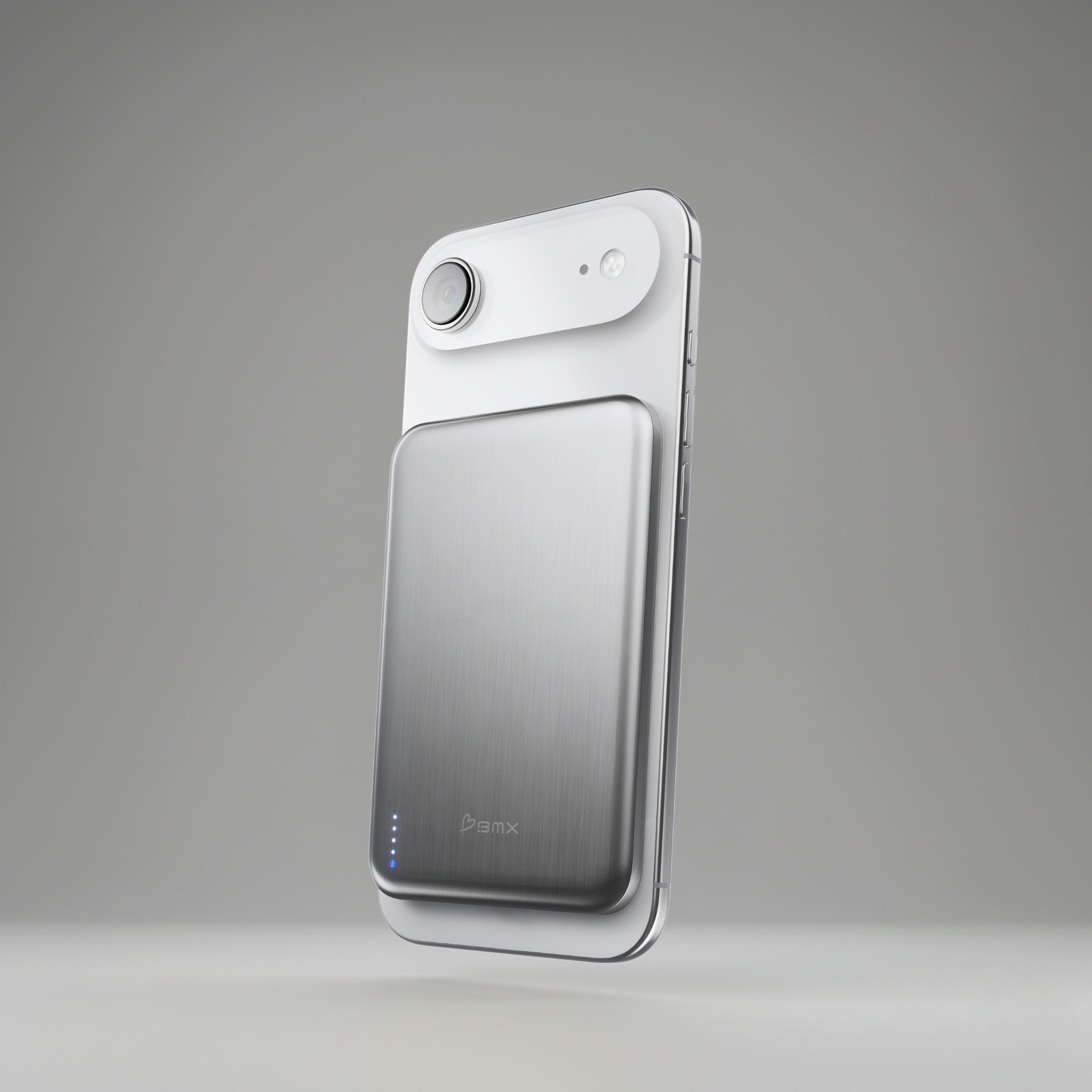
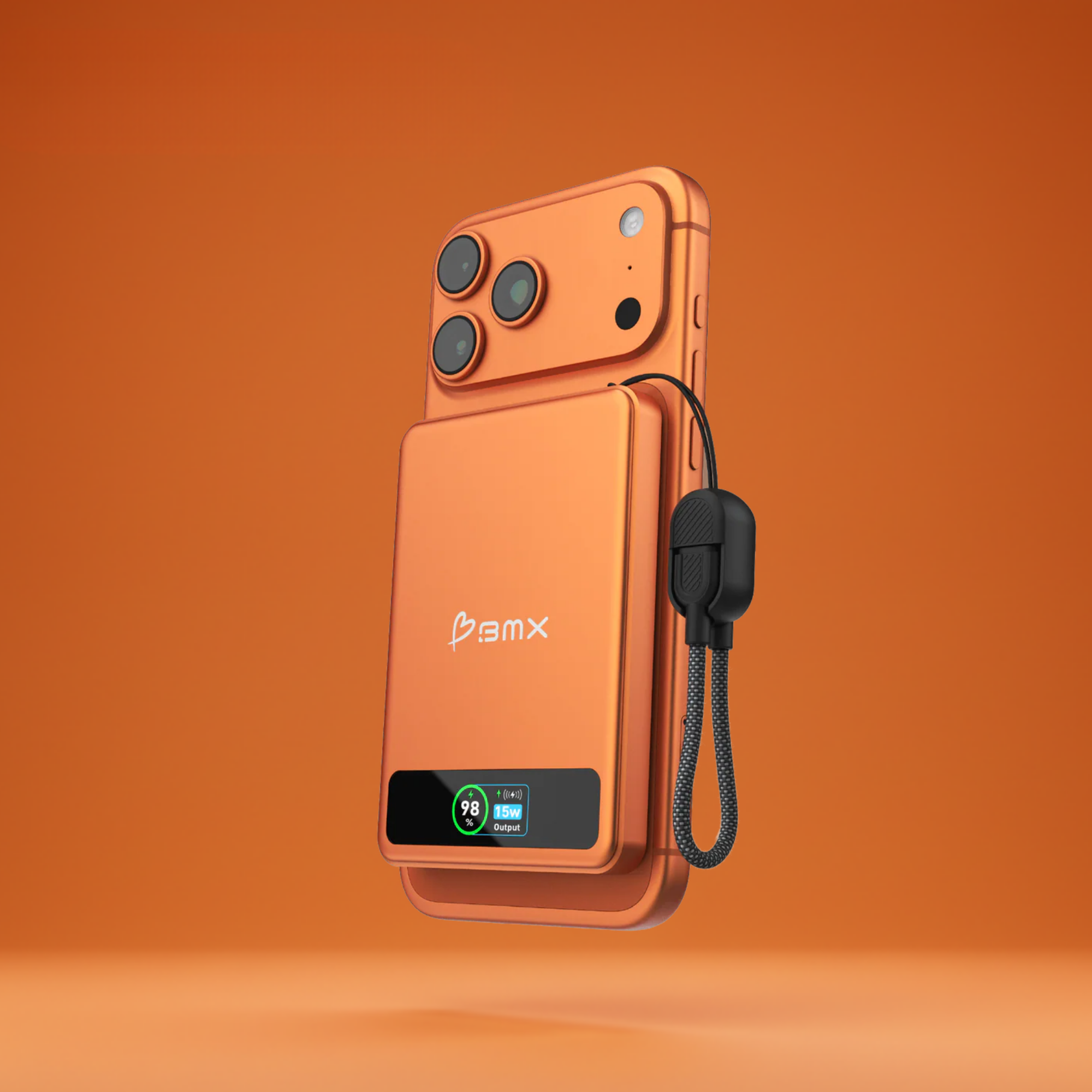
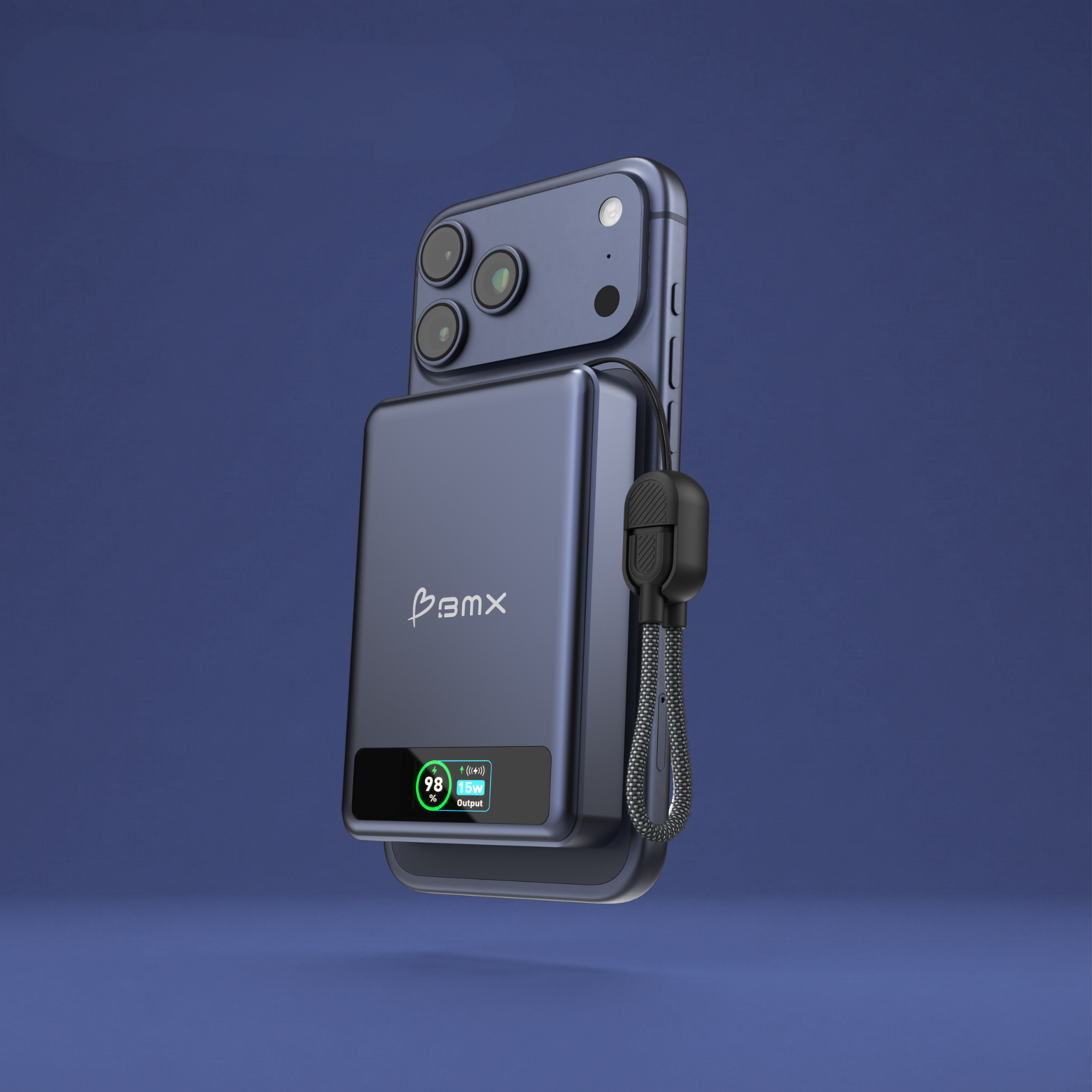
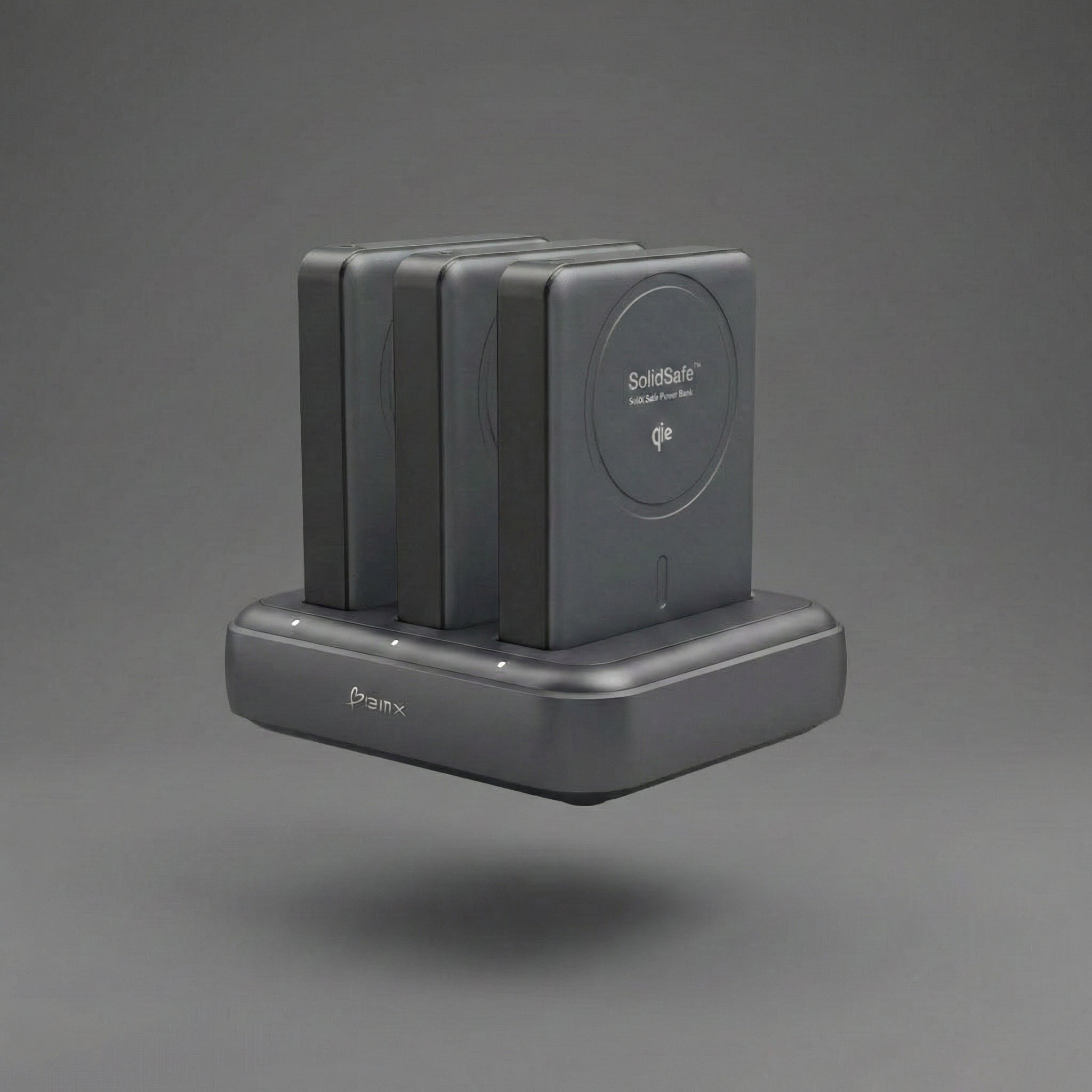
Rechargeable batteries, including lithium-ion and nickel-metal hydride types found in smartphones, laptops, and power banks, should never go in the trash. These batteries contain valuable materials and pose fire risks if damaged. Take them to specialized recycling centers or retailer take-back programs. Better Mobile Xperience (BMX) products, for example, use advanced semi-solid-state battery technology designed for safer use and longer life, but even these require proper disposal.

Button Cell Batteries
Most modern button cell batteries are mercury-free, but older or imported ones may still contain small amounts of mercury or other metals. These should be recycled at hazardous-waste collection sites or at electronics stores that accept them. Never throw button cells in the trash to avoid contaminating the environment.
Car Batteries
Lead-acid car batteries are highly recyclable but must be handled carefully because they contain sulfuric acid and lead, both hazardous materials. Most auto shops and recycling centers accept used car batteries for proper processing. Many places offer a refund or credit when you return an old car battery.
Tips for Reducing Battery Waste
Reducing battery waste starts with making smart choices about how you use and maintain batteries. These tips help extend battery life and lower environmental impact.
Choose Rechargeable Over Disposable
Rechargeable batteries can be used hundreds of times, cutting down on waste. Investing in quality rechargeable batteries and chargers is a practical way to reduce the number of batteries you throw away.
Use Devices Efficiently
Adjust device settings to conserve battery life. Dim screens, turn off unnecessary features, and avoid extreme temperatures that degrade batteries faster. This helps batteries last longer between charges and replacements.
Recycle Old Electronics
Many electronic devices contain built-in batteries. Recycling old phones, tablets, and laptops through certified programs recovers batteries and other materials safely. BMX encourages users to recycle power banks and charging accessories responsibly to support safer mobile power solutions.
Frequently Asked Questions
Can I Throw Alkaline Batteries in the Trash?
In some places, alkaline batteries are allowed in household trash because they contain fewer hazardous materials. However, recycling is preferred when possible to recover metals and reduce landfill waste. Check local guidelines to be sure.
How Should I Dispose of Lithium-Ion Batteries?
Lithium-ion batteries should never be thrown in the trash. They must be taken to specialized recycling centers or retailer take-back programs to prevent fire risks and recover valuable materials.
Is It Safe to Store Used Batteries at Home Before Disposal?
Yes, but store them in a cool, dry place away from metal objects. Cover the terminals with tape to prevent short circuits, and keep different types separate to reduce fire risk.
Where Can I Find Battery Recycling Locations?
Many communities offer battery recycling through hazardous waste facilities, electronics retailers, or special collection events. Local government websites or waste management services usually provide information on nearby options.
What Makes BMX Batteries Safer to Use?
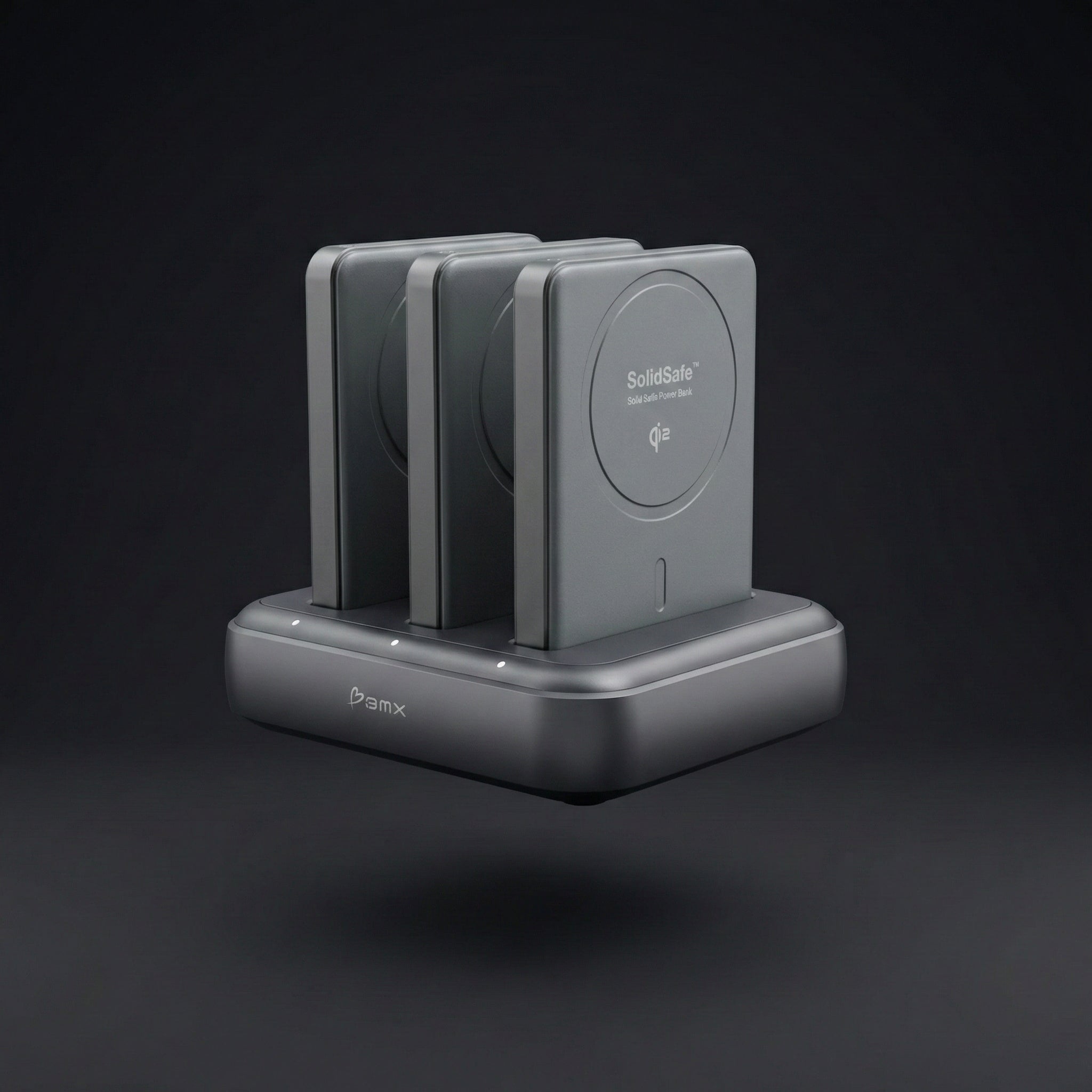
BMX uses a semi-solid-state battery architecture that reduces flammable liquid content compared to traditional lithium-ion batteries. This design focuses on safer, controlled power delivery and long-term durability, but proper disposal is still important to maintain safety and environmental care.
Taking Steps Toward Safer Battery Disposal
Handling batteries responsibly protects your home, community, and the environment. By understanding the types of batteries you use, preparing them for safe disposal, and choosing appropriate recycling options, you reduce risks and support sustainable practices. Small actions, such as taping terminals, using rechargeable batteries, and choosing thoughtfully engineered mobile power products from BMX, add up to a safer, better mobile power experience for everyone.
Discover safer power solutions and learn how to use batteries responsibly with products designed to support modern mobile life, helping keep your devices running smoothly without compromising safety or the planet.


Leave a comment
This site is protected by hCaptcha and the hCaptcha Privacy Policy and Terms of Service apply.