
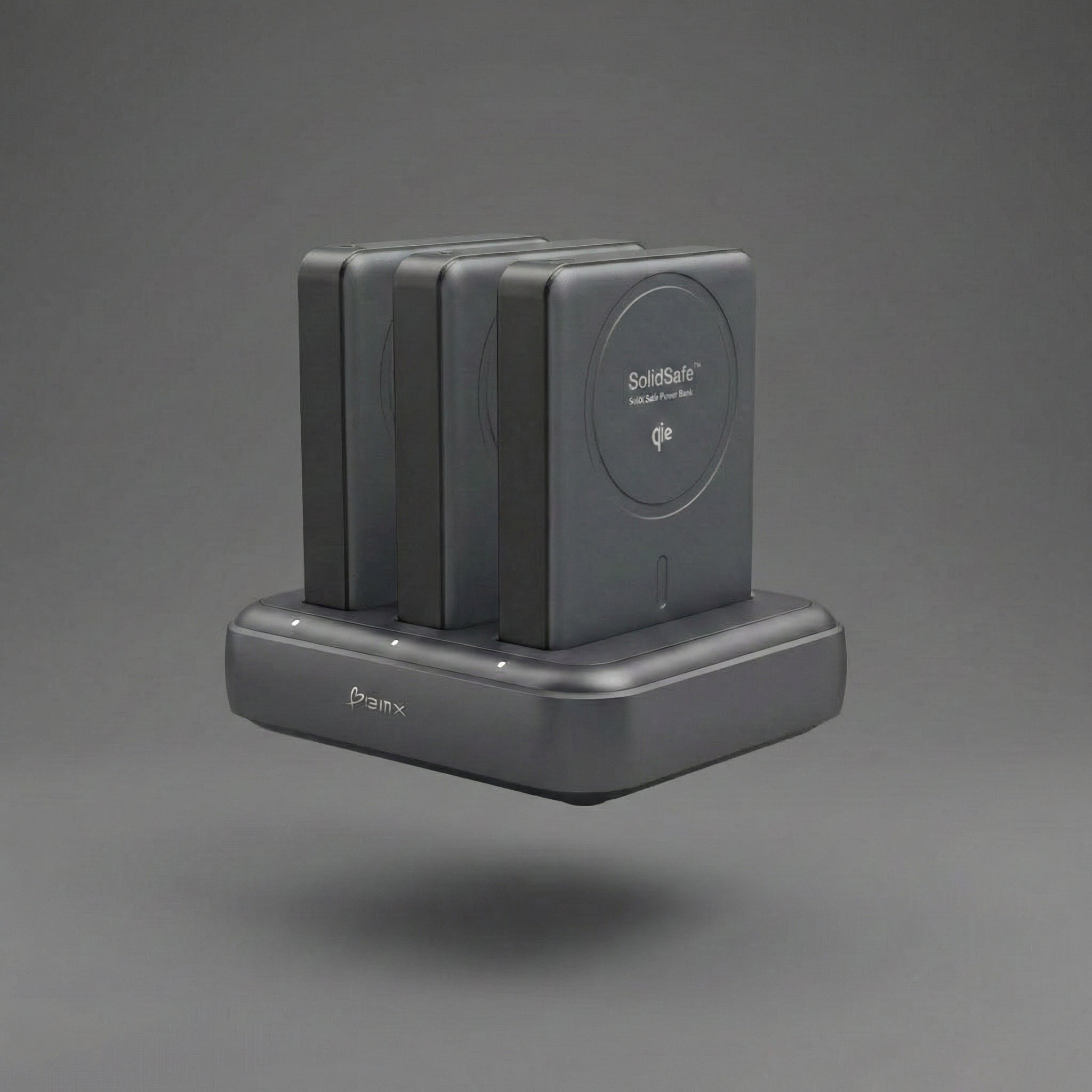
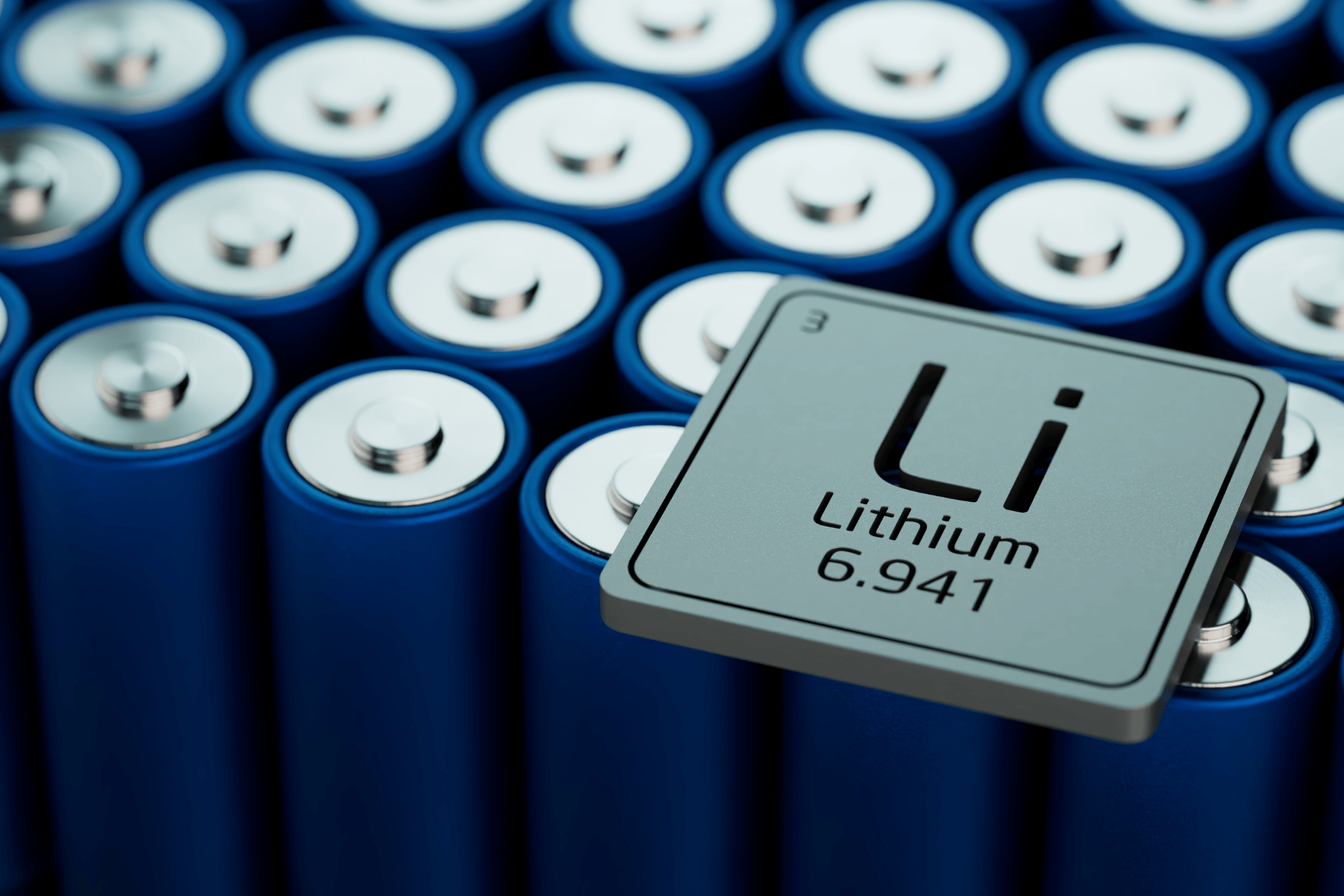
Mobile devices and portable electronics demand power solutions that are not only efficient but also safe and reliable. Traditional lithium-ion batteries have served well, but come with risks tied to their liquid electrolytes. Solid-state battery technology offers a promising alternative, aiming to reduce those risks while enhancing performance. This shift is particularly relevant for travelers, remote workers, and anyone who relies on mobile power daily.
Understanding how solid-state batteries work and what sets them apart can help users make informed choices about their mobile power accessories. This article explores the core features of semi-solid-state battery technology, its benefits, and its role in the future of mobile power solutions.
What are Semi-Solid-State Batteries?
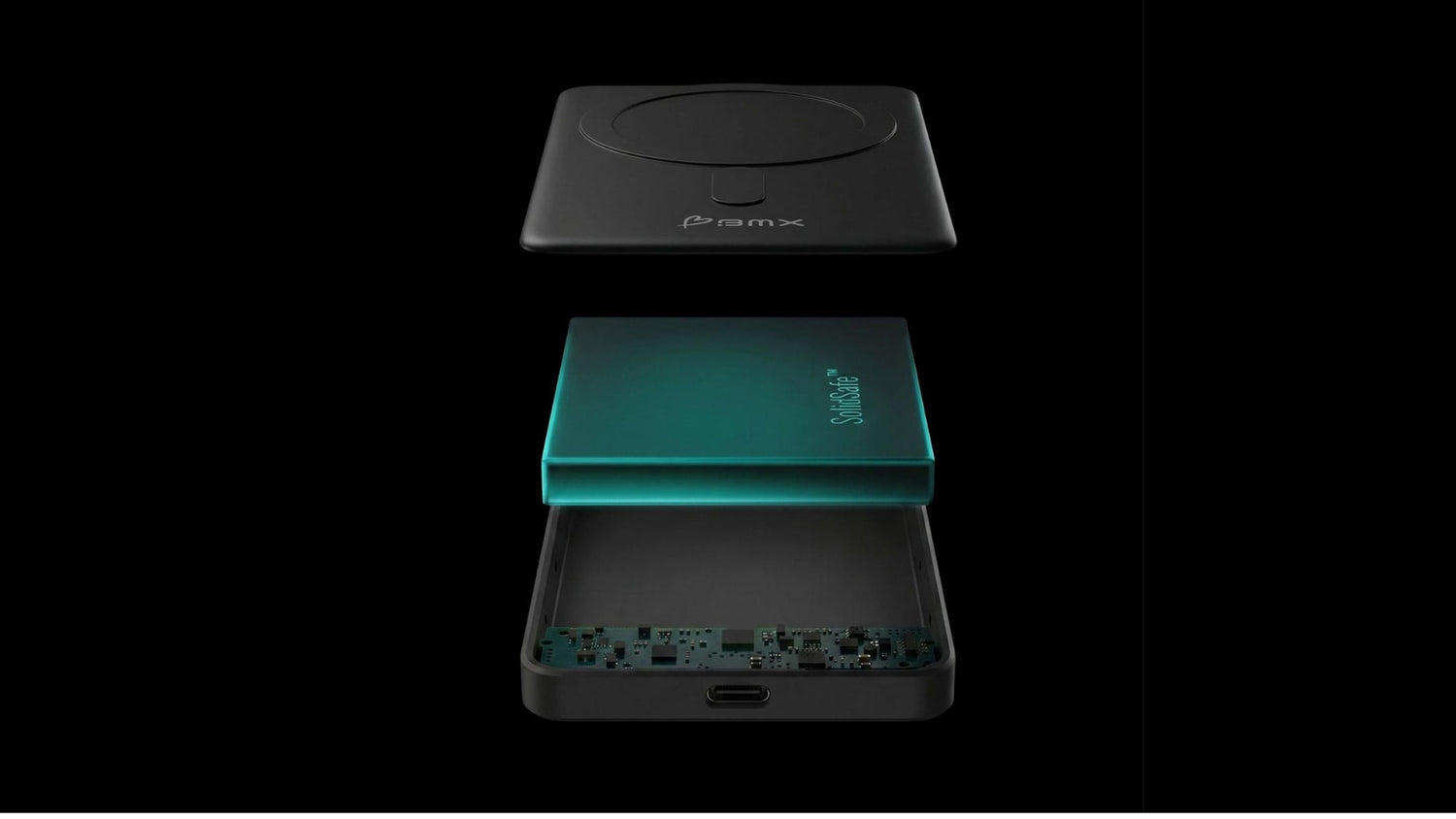
Semi-solid-state batteries reduce the amount of free-flowing liquid electrolyte used in traditional lithium-ion batteries by using a more stable, gel-like electrolyte system. This change can improve thermal stability and reduce leakage risk while maintaining strong power delivery and real-world performance. Semi-solid-state designs are widely viewed as a practical step toward next-generation battery safety and reliability without requiring fully solid-state chemistry.

How Solid Electrolytes Work
Traditional lithium-ion batteries rely on a liquid electrolyte to move ions between the battery’s electrodes. That electrolyte is effective for energy transfer, but it is also a flammable liquid. Semi-solid-state battery designs reduce the amount of free-flowing liquid electrolyte by using a more stable, gel-like electrolyte system. The battery still delivers power normally, but the electrolyte is more viscous and does not flow or spread as easily inside the cell. In simple terms, the battery contains much less liquid fuel, and what remains is less likely to leak or move around. This improves thermal stability and helps reduce the likelihood that a severe failure event turns into a fire scenario.
Key Differences From Traditional Batteries
The biggest difference is how the battery behaves during extreme stress, such as mechanical damage or an internal defect. In a conventional lithium-ion cell, a puncture, crush, or defect can create an internal short circuit that dumps energy rapidly into a small area. That localized heat can cause the liquid electrolyte to boil and vaporize into flammable gas. When flammable vapor is present, a short circuit can create ignition conditions, and the heat can escalate into a self-feeding chain reaction known as thermal runaway. Semi-solid-state designs reduce free-flowing electrolyte and keep the electrolyte more localized due to its viscosity, which means there is less liquid available to leak and less flammable vapor available to ignite during a failure event. The result is not that the battery cannot fail, but that it is less likely to escalate into thermal runaway compared to conventional lithium-ion designs, especially under damage or internal short-circuit conditions.
Benefits of Solid-State Battery Technology for Mobile Power
Solid-state batteries bring several advantages that align with the needs of mobile-first consumers and frequent travelers. These benefits focus on safety, reliability, and performance.
Improved Safety and Reduced Risk
Portable power banks experience real abuse: drops, tight bags, heat exposure, and constant charging cycles. In conventional lithium-ion batteries, severe damage or an internal defect can create a short circuit that generates rapid localized heating, which can vaporize liquid electrolyte into flammable gas. Semi-solid-state designs use far less free-flowing electrolyte, and what remains is more viscous, reducing leakage and limiting the conditions that can turn a failure event into a fire event. This does not make the battery risk-free, but it can materially improve thermal stability compared to traditional lithium-ion designs.
Longer Lifespan and Consistent Performance
Solid-state batteries typically offer better thermal stability, meaning they maintain performance over a wider temperature range. This stability contributes to a longer battery lifespan and more reliable power delivery in real-world conditions, whether you’re charging devices at home or on the go. The reduced wear and tear on the battery cells can translate into fewer replacements over time, making solid-state technology not only a more reliable choice but also a more cost-effective one in the long run.
Compact and Lightweight Designs
Semi-solid-state architectures can support thinner, more travel-friendly power designs because the battery is more thermally stable and contains far less free-flowing liquid electrolyte than conventional lithium-ion designs. That improved stability helps reduce the likelihood that severe damage or an internal short-circuit event escalates into thermal runaway, which allows manufacturers to pursue slimmer form factors with less risk. Some next-generation battery technologies also have the potential to improve energy density over time, enabling even smaller and lighter batteries as the technology matures.
How BMX Applies Solid-State Battery Technology
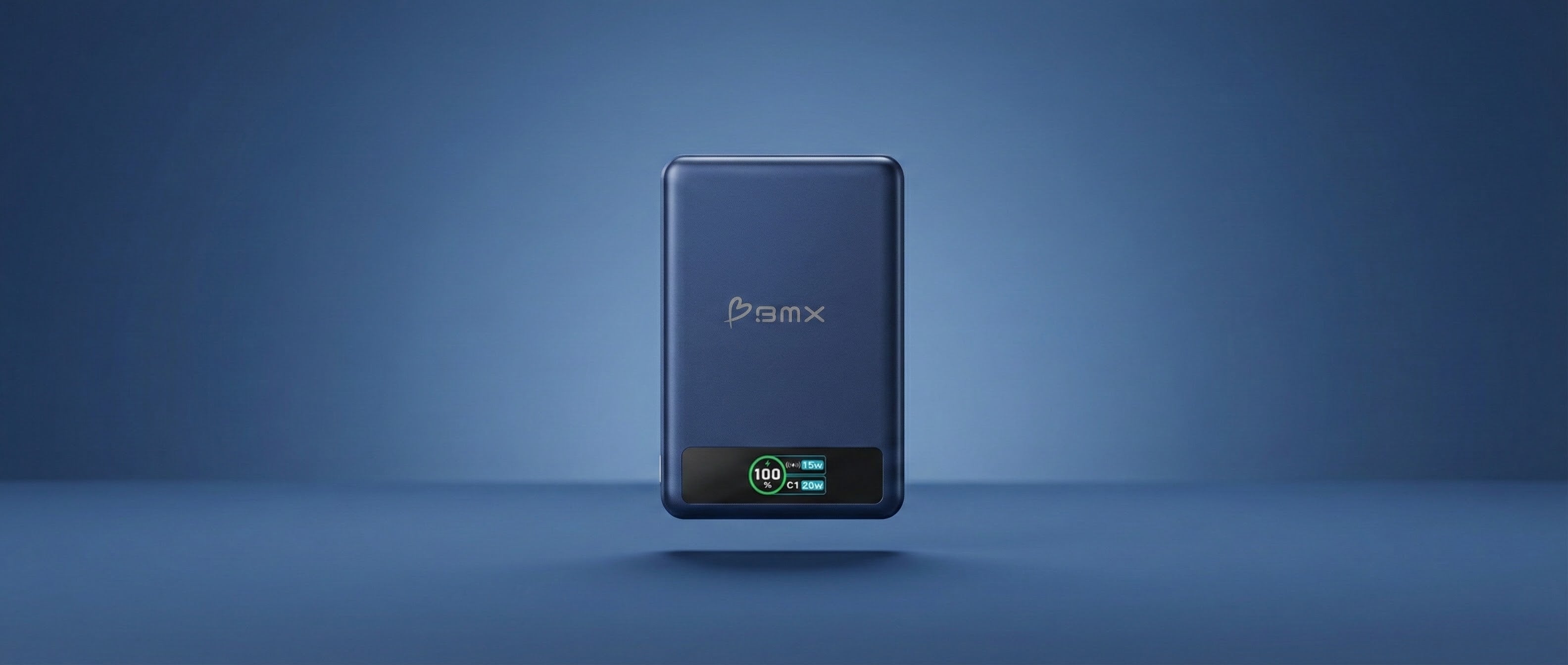
Better Mobile Xperience (BMX) focuses on delivering safer, more reliable mobile power solutions by using semi-solid-state battery architecture. This approach is not just a feature but the foundation of BMX’s product design.
Engineering for Real-World Use
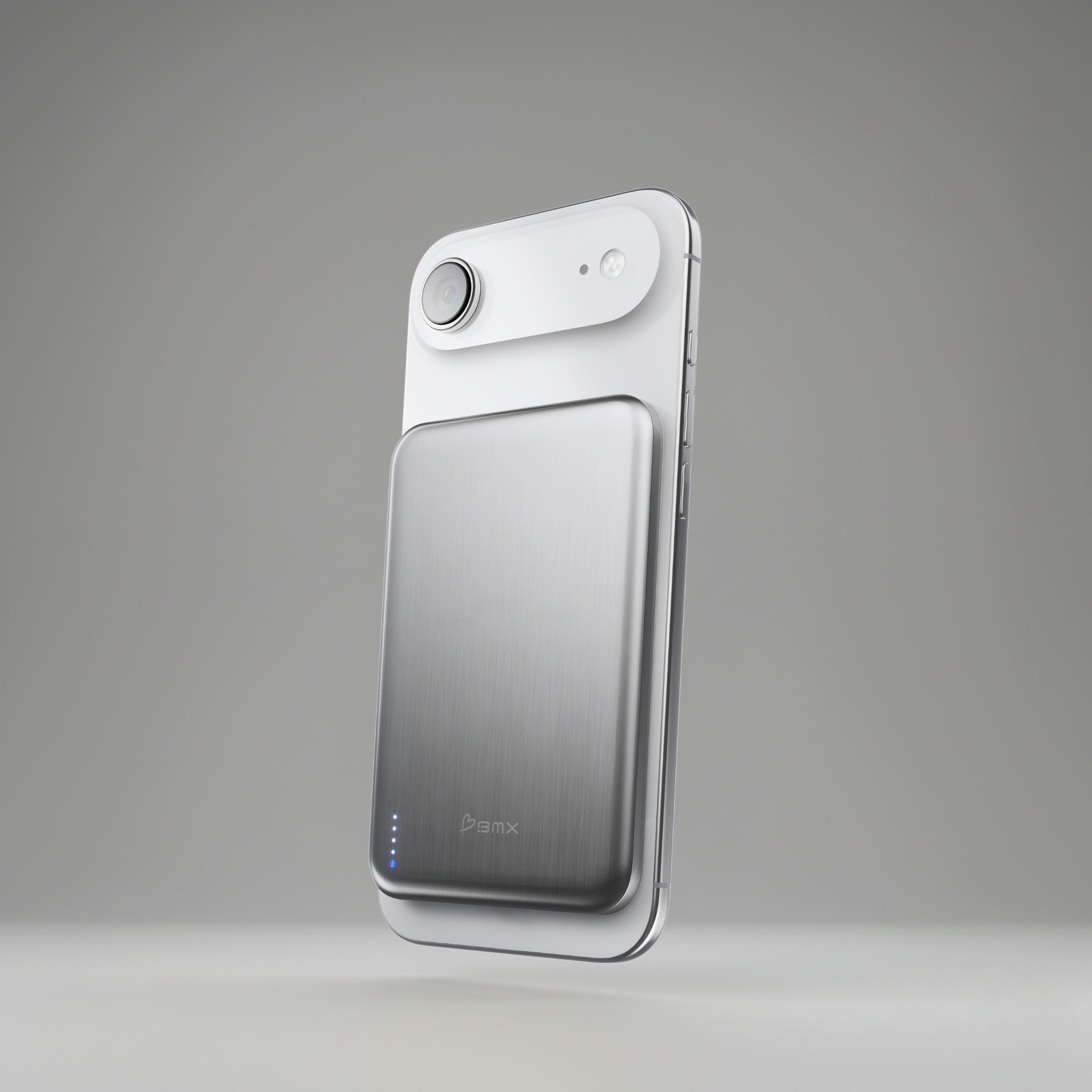
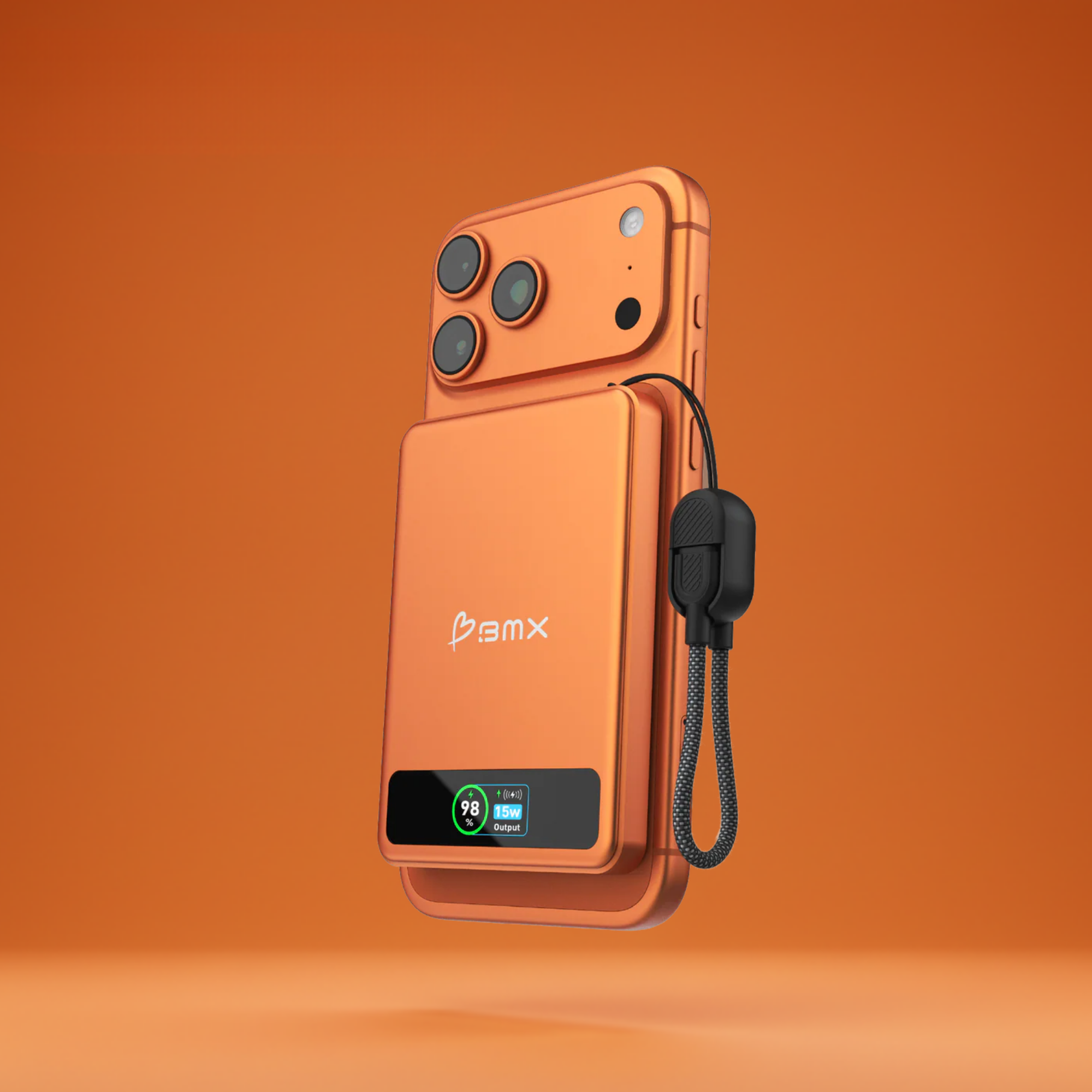
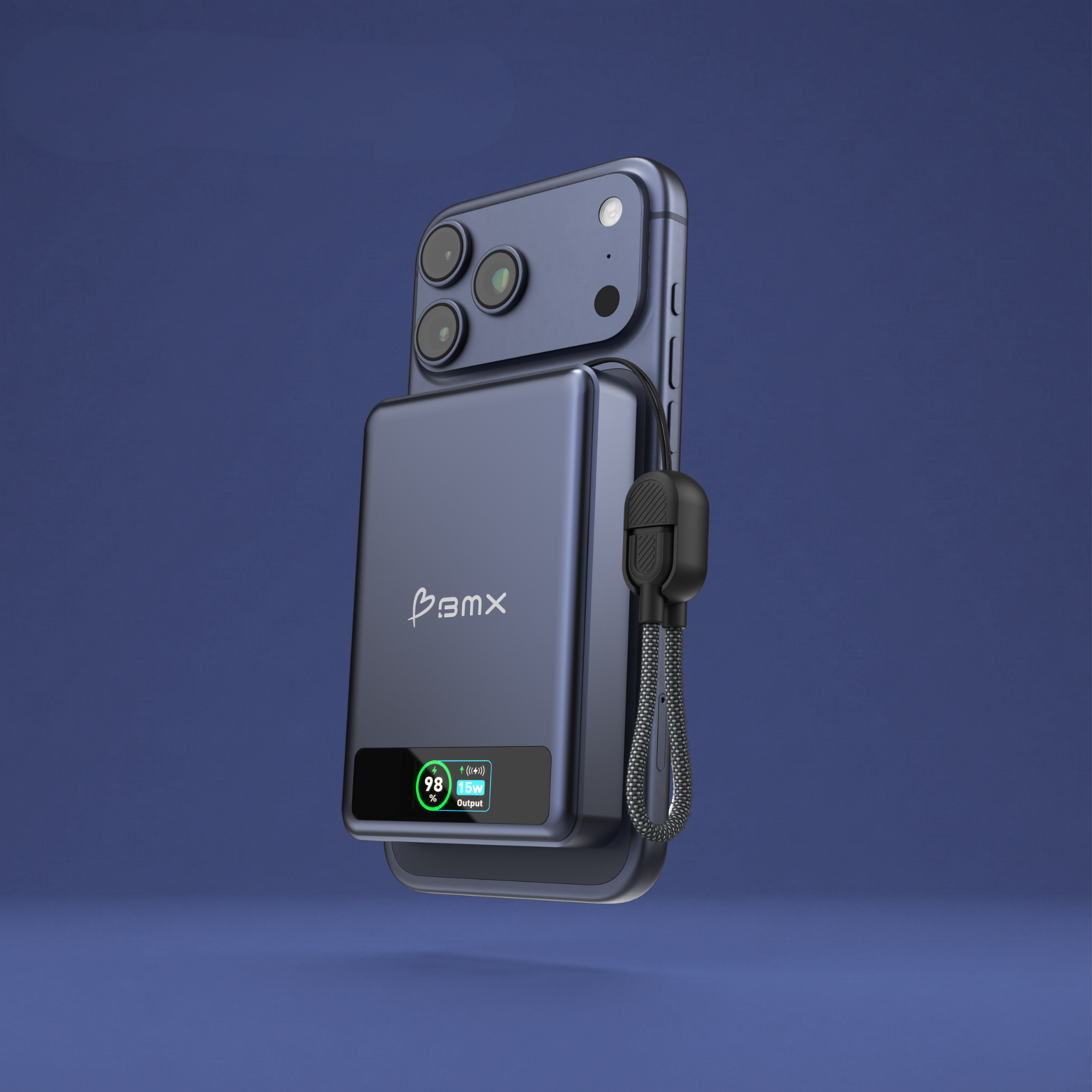
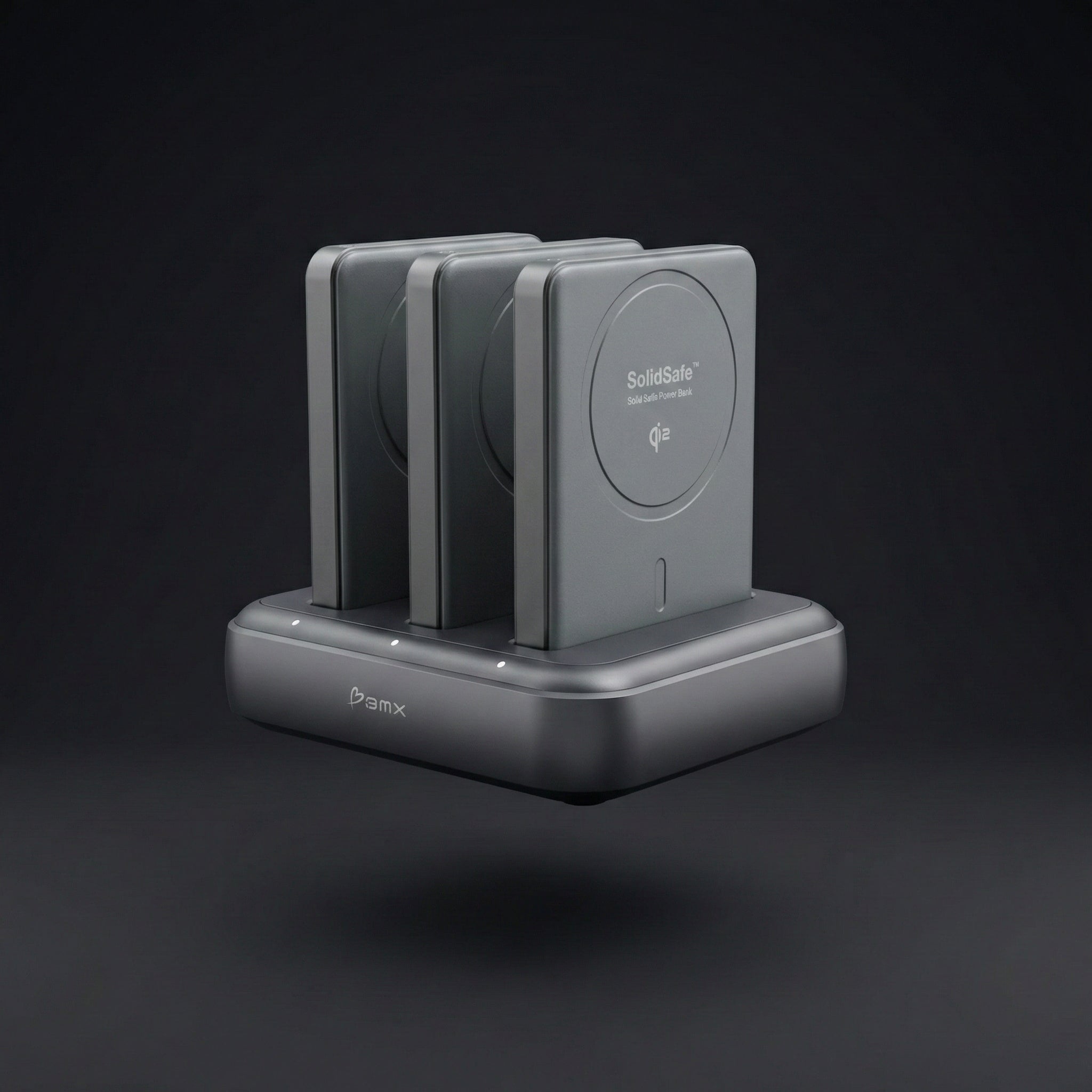
BMX prioritizes controlled power delivery and durability. Their power banks and charging docks are built built with premium materials such as aluminum, with titanium designs planned for future models, ensuring a solid, intentional feel. The semi-solid-state design reduces reliance on flammable liquid electrolytes, lowering risk while maintaining performance.

Designed for Travelers and Mobile Professionals
For people who depend on reliable power while traveling or working remotely, BMX products offer peace of mind. The brand’s focus on safety and reliability helps reduce worry in everyday carry and travel use. BMX’s product range includes power banks, multi-device charging docks, and bundled power kits, all of which are designed with this technology.
Challenges and Considerations With Solid-State Batteries
While solid-state batteries show great promise, there are still challenges to consider before they become the universal standard.
Manufacturing Complexity
Producing semi-solid-state batteries involves advanced materials and precise engineering. This complexity can lead to higher costs and slower production compared to traditional lithium-ion batteries.
Current Limitations in Capacity and Scalability
Although solid-state batteries can potentially offer higher energy density, current commercial versions may not yet match the capacity or scalability of well-established lithium-ion technology. This means some products might have trade-offs in runtime or price.
Ongoing Research and Development
Manufacturers and researchers continue to improve semi-solid-state battery technology and production methods. As these advances take hold, expect to see broader adoption and better performance in the coming years.
Frequently Asked Questions About Solid-State Battery Technology
Are semi-solid-state Batteries Safer Than Lithium-Ion Batteries?
Semi-Solid-state batteries reduce the risk associated with flammable liquid electrolytes, lowering the chances of overheating and fire. However, no battery is completely without risk. The technology focuses on reducing hazards rather than eliminating them entirely.
Can I Use Semi-Solid-State Battery Power Banks on Airplanes?
Although solid-state battery power banks may be inherently safer in design, current airline regulations apply the same restrictions to all lithium-based batteries. Travelers should always check the airline’s specific watt-hour limits and packaging requirements before flying.
Will solid-state Batteries Last Longer Than Traditional Batteries?
They tend to offer better thermal stability and durability, which contributes to a longer lifespan. Real-world performance depends on usage patterns and product design.
Are solid-state Battery Products More Expensive?
Currently, manufacturing costs can make solid-state battery products pricier than traditional options. Over time, as technology matures and scales, prices are expected to become more competitive.
Where Can I Find Solid-State Battery Power Solutions?
Brands focused on safer, performance-driven mobile power, like Better Mobile Xperience, offer products built on semi-solid-state battery architecture. These products are available through direct-to-consumer e-commerce channels for easy purchase.
Looking Ahead to Safer, Smarter Mobile Power
Semi-solid-state battery technology represents a meaningful step forward in mobile energy storage. By reducing risks tied to liquid electrolytes and enhancing durability, these batteries meet the needs of users who demand safety and reliability without compromise. Better Mobile Xperience is setting a new standard by building power banks and charging accessories around this technology, designed for everyday use and travel.
Choosing products with semi-solid-state battery technology means investing in power solutions that prioritize your safety and device performance. Discover safer power options that fit your mobile lifestyle and provide confidence wherever you go.

Leave a comment
This site is protected by hCaptcha and the hCaptcha Privacy Policy and Terms of Service apply.