
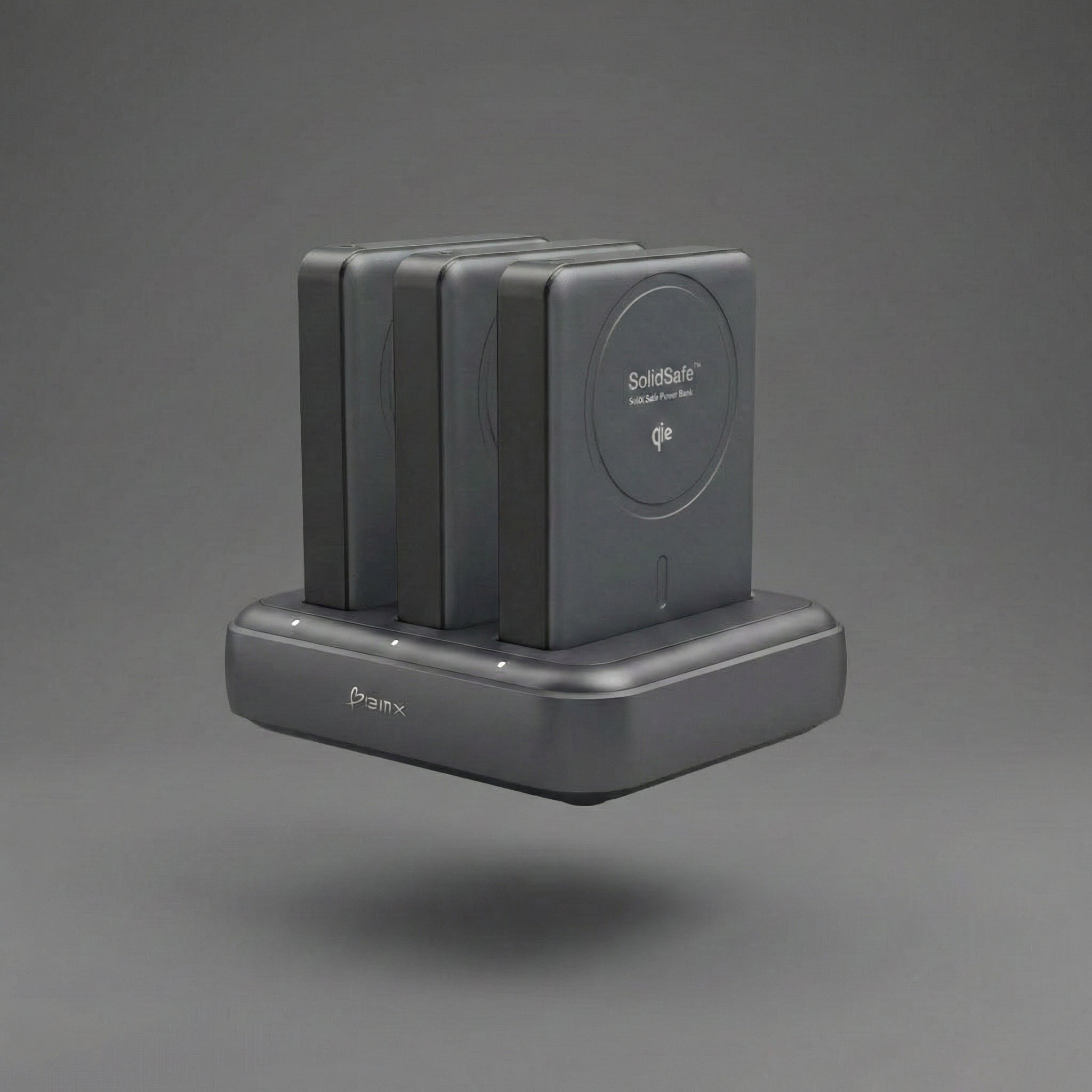
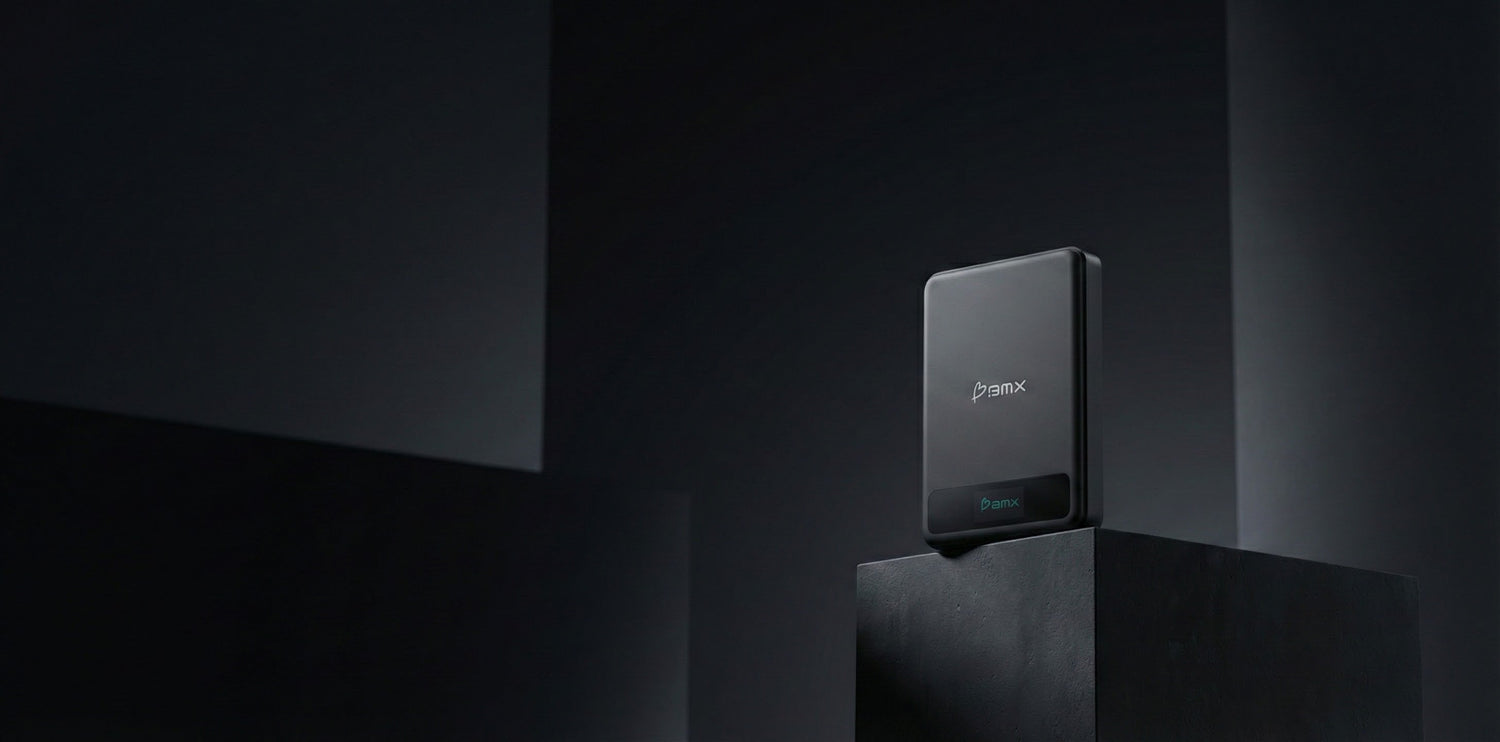
Choosing the right battery technology can be confusing, especially when terms like semi-solid-state and lithium-ion are used interchangeably. Both power many of the devices we rely on every day, from smartphones to portable power banks, but they work in different ways, and those differences matter when it comes to safety, performance, and long-term reliability.
This article breaks down what sets solid-state and semi-solid-state batteries apart from traditional lithium-ion batteries, and why these distinctions are increasingly important for modern mobile power. Better Mobile Xperience (BMX) applies safer battery architectures in their power banks to address common concerns such as heat management, durability, and travel readiness.
Whether you’re a tech-savvy traveler, a mobile professional, or simply looking for safer everyday charging solutions, understanding how each battery type works helps you make more informed choices. Let’s explore how solid-state and lithium-ion batteries compare, their key benefits, and what to consider when selecting reliable mobile power solutions.
How Lithium-Ion Batteries Work
Lithium-ion batteries have been the standard for mobile devices for years. They use a liquid electrolyte to move lithium ions between the battery’s positive and negative electrodes during charging and discharging.
This liquid electrolyte enables high energy density, allowing lithium-ion batteries to store a lot of power in a compact form. That’s why they’re common in smartphones, laptops, and power banks. Lithium-ion batteries come in several different chemistries, each with its own trade-offs in safety, lifespan, cost, and energy density. In general, lithium-ion technology remains popular because it offers strong performance in small, lightweight devices, though it can be more sensitive to heat, damage, and long-term degradation than newer battery architectures designed for improved thermal stability.

Strengths of Lithium-Ion Batteries
- High Energy Density: They pack a lot of power relative to their size and weight.
- Cost-Effective: Manufacturing processes are well-established, making them affordable.
- Wide Availability: Easily found in many consumer electronics.
Considerations and Risks
While lithium-ion batteries perform well, their liquid electrolyte can pose safety concerns. The electrolyte is flammable, which means there is a risk of fire or thermal runaway if the battery is damaged, exposed to extreme heat, or improperly charged. This risk has contributed to high-profile recalls and is a key reason airline restrictions on power banks exist and have tightened over time. In fact, some airlines have moved beyond watt-hour limits into stricter handling rules and outright bans on in-flight power bank use. For example, Thai Airways prohibits the use of power banks onboard starting March 15, 2025.
Lithium-ion batteries can also degrade over time, losing capacity and performance, especially when repeatedly exposed to high temperatures or stored at full charge for long periods. Manufacturers continue improving protective circuitry and internal safeguards to reduce these risks and extend battery lifespan. Newer battery architectures, including semi-solid-state designs, aim to improve thermal stability and reduce the likelihood that a failure event escalates, while still delivering strong real-world charging performance.
What Are Semi-Solid-State Batteries?
Semi-solid-state batteries reduce the amount of free-flowing liquid electrolyte used in conventional lithium-ion designs. That matters because the liquid electrolyte in traditional lithium-ion batteries is one of the main materials that can leak, vaporize under heat, and act like fuel during a failure event.
In a lithium-ion battery, if a cell is damaged or shorts internally, the short circuit generates rapid heat. That heat can cause liquid electrolyte to boil off into flammable vapor, increasing the chance that the failure escalates into thermal runaway. Semi-solid-state designs reduce that risk by using far less free-flowing liquid electrolyte and a more viscous electrolyte system that stays more localized inside the cell. The result is improved thermal stability and a lower likelihood that a failure event will escalate into a fire.
This is why semi-solid-state architecture is viewed as a practical next step for safer mobile power products today, delivering real safety and stability improvements without relying on fully solid-state manufacturing at mass scale.
Advantages of Solid State Batteries
- Improved Thermal Stability: Uses far less free-flowing flammable liquid electrolyte, reducing the likelihood that internal faults escalate into thermal runaway.
- Better Durability: More resistant to leakage and better suited for real-world stress such as daily carry, drops, and temperature swings.
- Reliable Real-World Charging: Designed to deliver consistent charging performance in modern power banks, with safe, standards-based charging (such as USB-C PD and Qi2 certification where supported).

Semi-Solid-State Battery Technology Is Still Evolving
Semi-solid-state battery architecture is already being used in real consumer products today, but it is still an evolving technology. Cell chemistry, materials, and manufacturing processes continue to improve, and newer generations of cells can deliver greater consistency, thermal stability, and long-term performance.
For mobile power, the key advantage of semi-solid-state design is practical. It aims to improve safety and reliability in real-world use while still delivering strong charging performance and manufacturability at scale. As cell development continues, users can expect ongoing improvements in performance, durability, and long-term stability across next-generation mobile power products.
What This Means for Mobile Power
For most people, battery technology only matters when something goes wrong: overheating, swelling, sudden shutdowns, or safety concerns during travel. That is why semi-solid-state battery architecture is so relevant for portable power banks. It is designed to improve thermal stability and reduce the likelihood that internal faults escalate into thermal runaway, while still delivering the charging performance modern devices require.
As next-generation semi-solid-state cells continue to improve, mobile power products can become safer, thinner, and capable of higher capacity in more compact designs. For everyday carry, travel, and multi-device charging, this is where next-generation battery technology matters most.
Comparing Performance and Reliability
When choosing between semi-solid-state and lithium-ion batteries, performance and reliability are key factors.
Energy Capacity and Size
Traditional lithium-ion batteries are widely used because they deliver strong capacity in compact designs and are well-optimized for mass production. Semi-solid-state architectures are designed to improve thermal stability and failure behavior while still supporting high-performance mobile charging. Depending on cell design, semi-solid-state batteries may match conventional lithium-ion capacity closely, and as the technology improves, they also have the potential to support higher capacity in thinner, more portable form factors.
Safety and Longevity
Safety is one of the strongest advantages of semi-solid-state architecture. By using far less free-flowing liquid electrolyte and improving thermal stability, semi-solid-state designs reduce the likelihood that severe damage or an internal fault escalates into thermal runaway compared to conventional lithium-ion designs.
In terms of longevity, battery lifespan depends on many factors, including heat exposure, charge cycles, and overall cell design. Semi-solid-state designs are built to handle stress and heat more reliably over time, supporting more consistent real-world performance and long-term durability in portable power products.
Why Safer Battery Architecture Matters
Mobile power users face real risks with traditional lithium-ion batteries, especially in travel and multi-device scenarios. When lithium-based batteries fail, the failure can be severe, and high-profile recalls have made safety a top concern for both consumers and airlines.
That is why safer battery architecture matters. Semi-solid-state design is built to improve thermal stability by reducing free-flowing flammable liquid electrolyte and using a more stable, viscous electrolyte system that stays more localized inside the cell. In real-world terms, the goal is simple: reduce the likelihood that damage or internal faults escalate into thermal runaway, while still delivering strong charging performance for everyday use.
Design and Material Choices
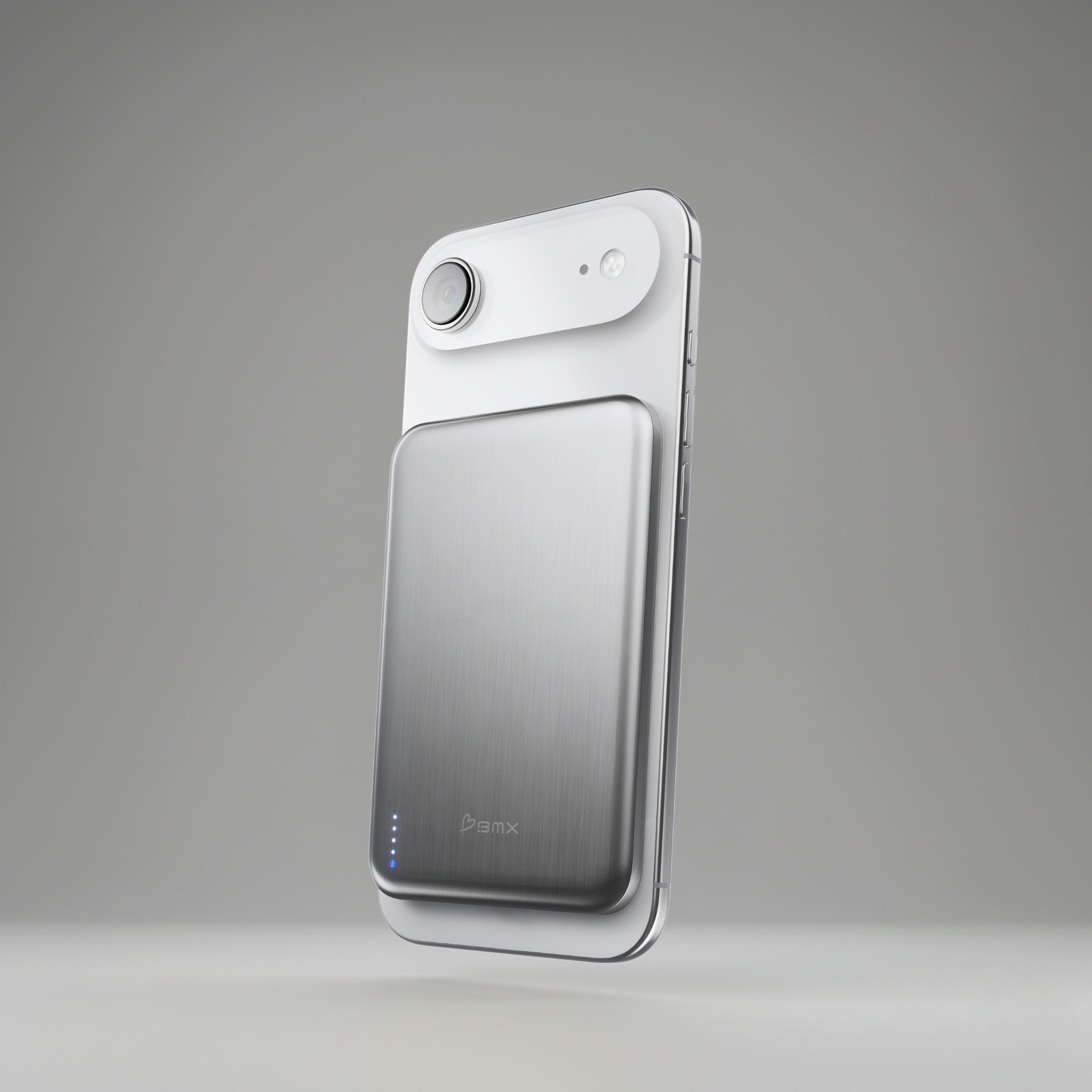
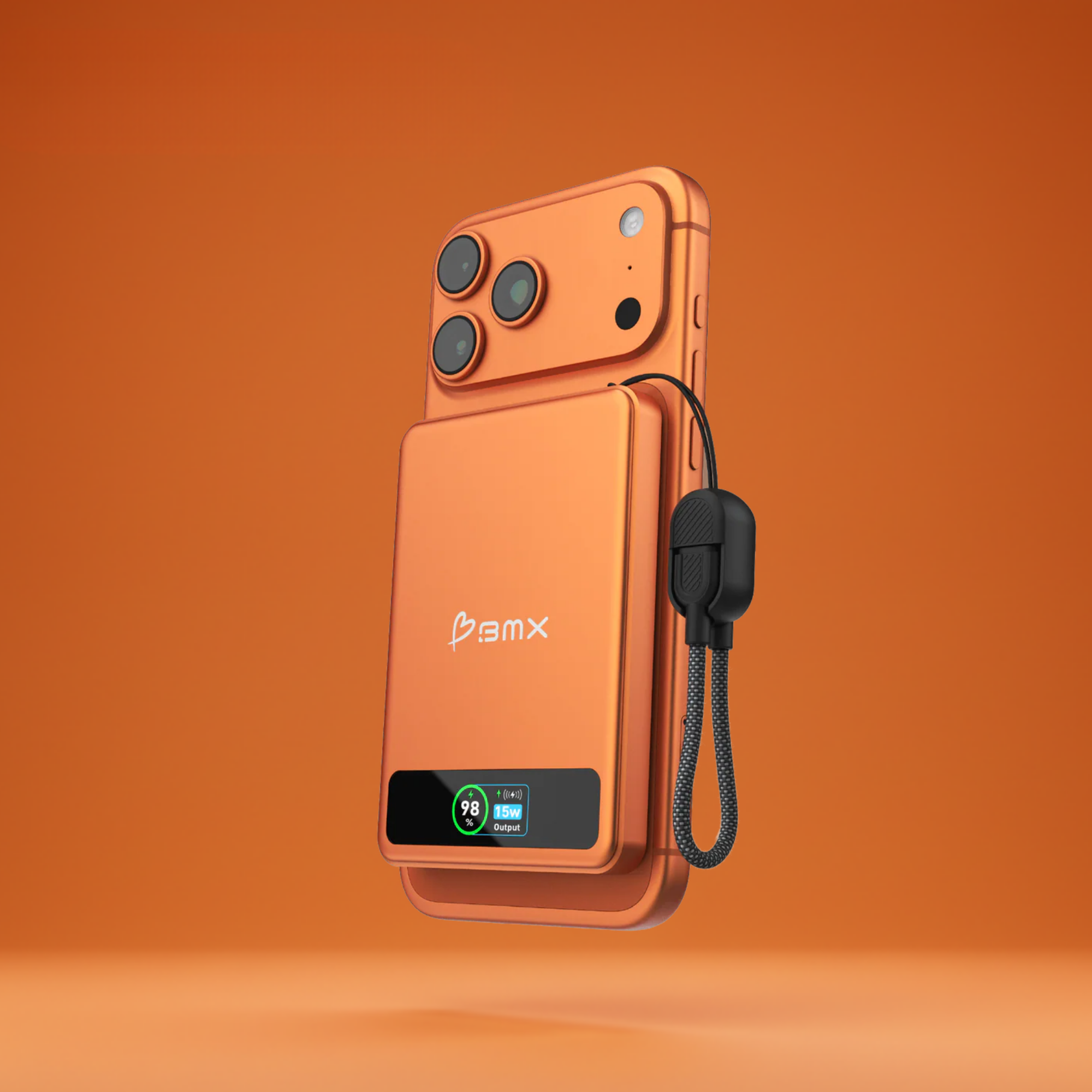
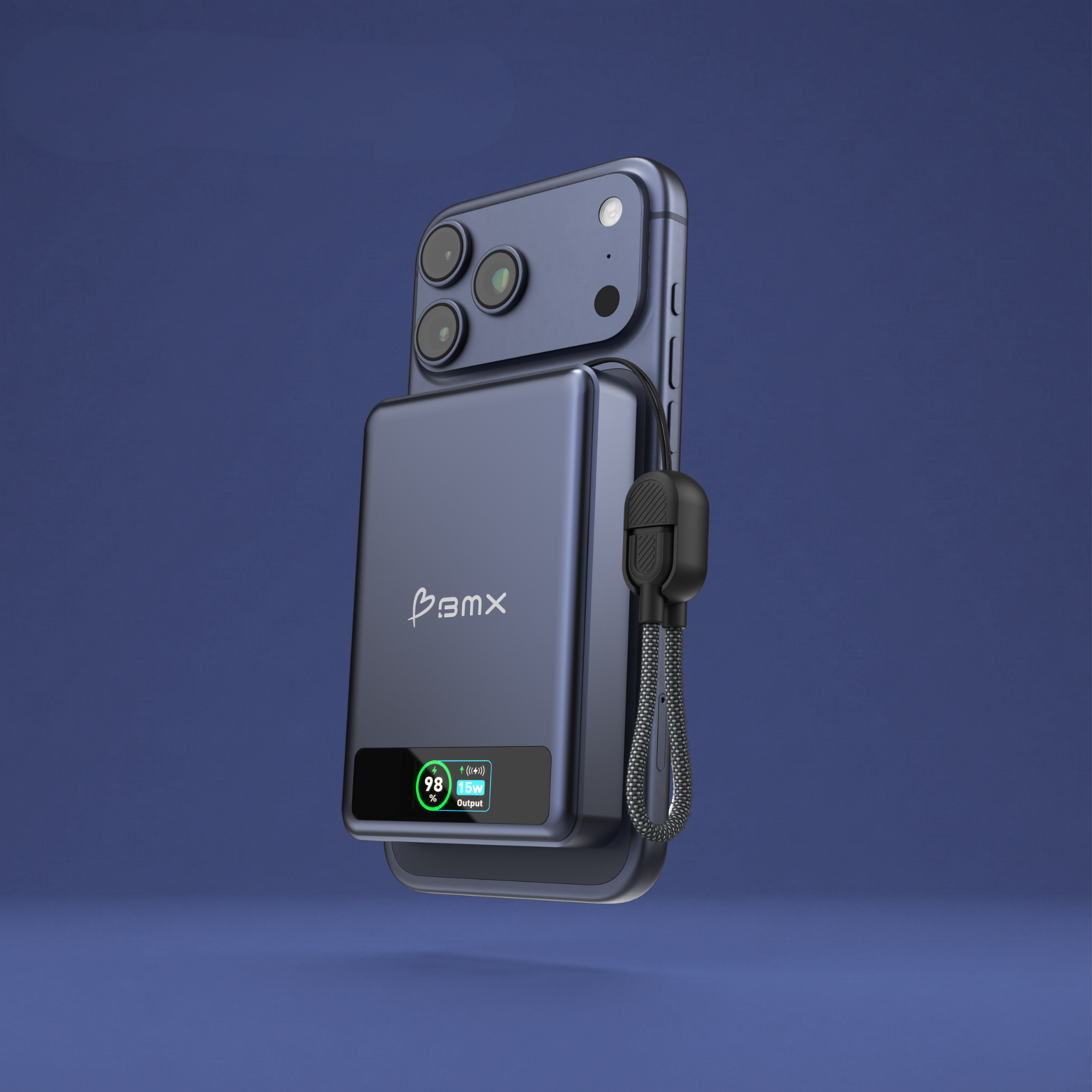
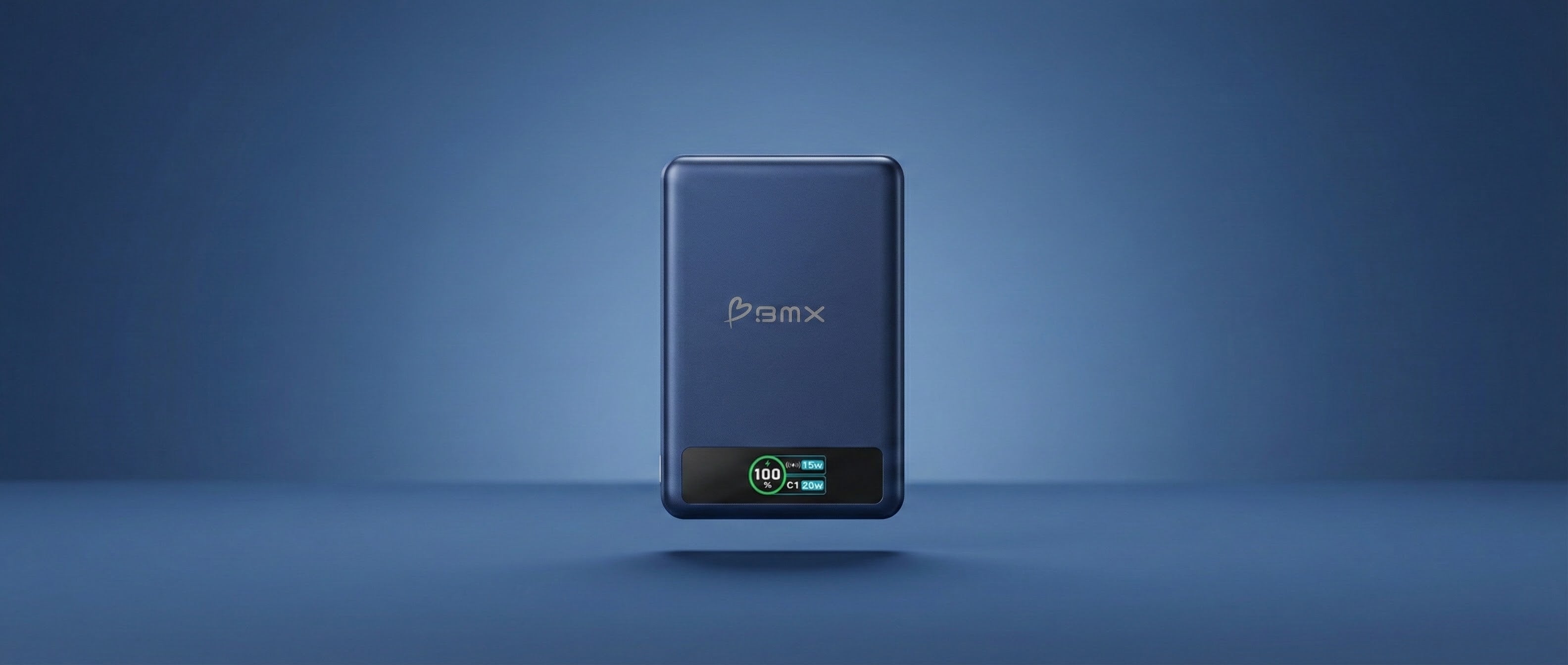
Battery chemistry is only part of the story. The enclosure and product design matter too. BMX products use durable aluminum enclosures designed to protect internal components and support heat dissipation during charging. Clear LED power displays help users understand battery status at a glance, which improves trust and reduces misuse. Titanium-shell designs are also emerging in next-generation products as a way to increase durability and protection even further.
Real-World Use Cases
- Travel: Airline rules around portable batteries are becoming stricter, and enforcement is increasing in many regions. Semi-solid-state architecture is designed to improve thermal stability and reduce escalation risk, which aligns with the direction airline safety standards are moving. BMX is actively engaging with airline stakeholders as travel policies evolve, with the goal of building power solutions that are compliant today and more future-proof as regulations tighten.
- Work: Professionals who run multiple devices need dependable charging performance they can trust. Semi-solid-state architecture supports reliability-focused mobile power without the same level of concern around heat escalation risk seen in conventional lithium-ion designs.
Choosing The Right Battery For Your Needs
Deciding between solid-state and lithium-ion batteries depends on your priorities. If maximum capacity and cost are your main concerns, lithium-ion might be suitable. But if safety, reliability, and long-term performance matter most, solid-state batteries offer clear benefits.
Questions To Ask Before Buying
- How important is battery safety in your daily routine?
- Do you travel frequently with power banks or mobile devices?
- Are you looking for a battery that maintains performance over the years?
- Is premium build quality and precise power management a priority?
Better Mobile Xperience Solutions
Better Mobile Xperience focuses on semi-solid-state battery technology to deliver safer, more reliable mobile power. Their products combine thoughtful design with advanced battery architecture, making them a strong choice for users who want peace of mind and consistent performance.

Frequently Asked Questions
Are semi-solid-state batteries completely safe?
No battery is without risk. Semi-solid-state architecture is designed to improve thermal stability and reduce the likelihood that a failure event escalates into thermal runaway compared to conventional lithium-ion designs, but safe handling still matters.
Can I replace my lithium-ion power bank with a semi-solid-state one?
Yes. Semi-solid-state power banks charge the same devices you already use, but are built around a battery architecture designed for improved safety and reliability in everyday carry.
Why are semi-solid-state batteries more expensive?
Semi-solid-state cell materials and manufacturing processes are newer and less standardized than traditional lithium-ion cells, which can increase cost compared to mass-produced conventional cells.
Do semi-solid-state batteries last longer?
They can. Lifespan depends on factors like heat exposure, charge cycles, and product design, but semi-solid-state designs are built to handle thermal stress more reliably over time.
Are semi-solid-state batteries heavier or bulkier?
Not necessarily. Many designs support slim, portable form factors, and as the technology improves, the size and weight gap continues to narrow while maintaining real-world charging performance.
Understanding Battery Technology Helps You Choose Better
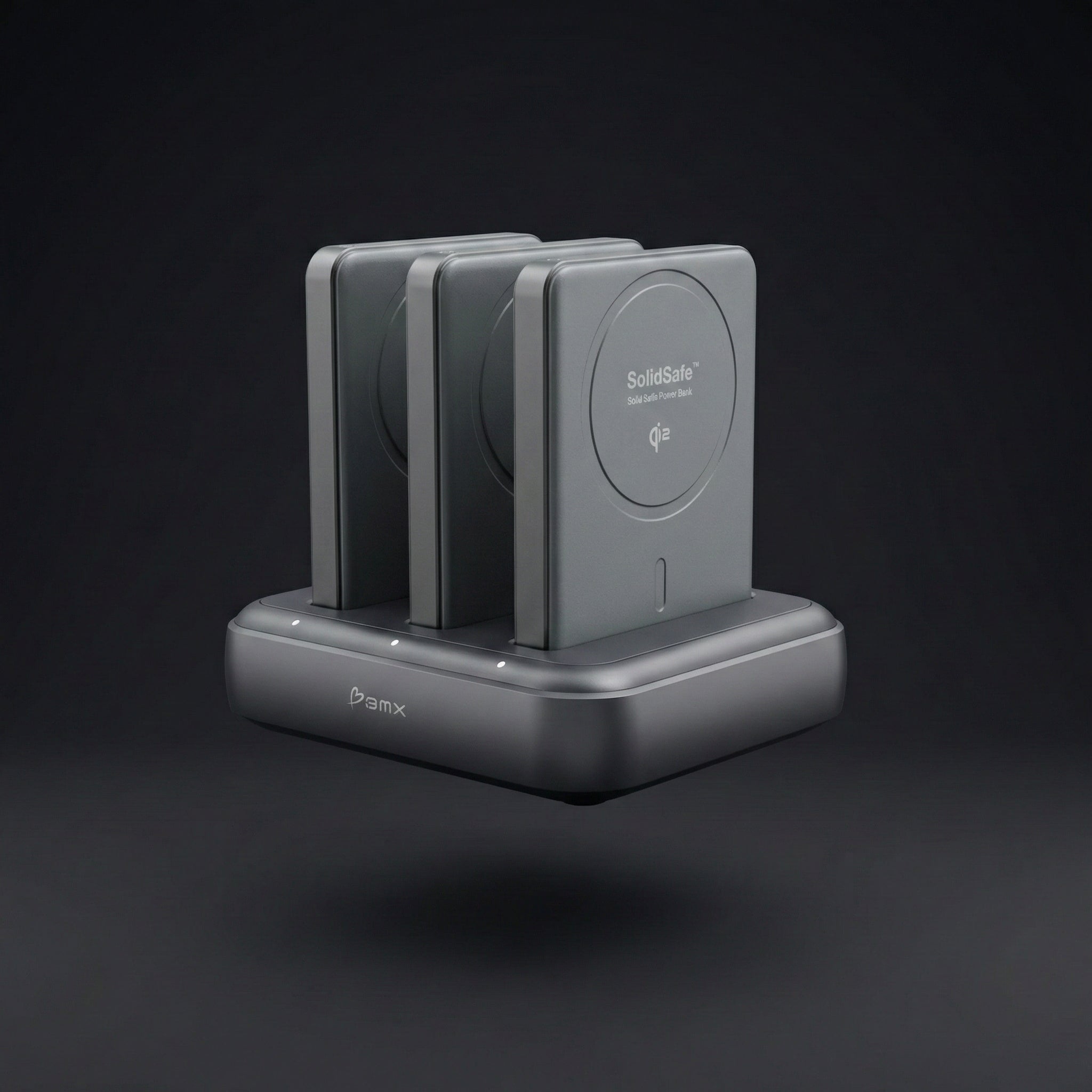
Knowing the difference between lithium-ion and semi-solid-state battery architecture helps you choose mobile power that matches your lifestyle. Safety, reliability, and performance matter, especially for frequent travelers and mobile professionals. Choosing products built around semi-solid-state architecture, like BMX SolidSafe™, means investing in power solutions engineered for consistent real-world use with a stronger safety-first design. Discover safer power options designed for modern mobile life.


Leave a comment
This site is protected by hCaptcha and the hCaptcha Privacy Policy and Terms of Service apply.