

Quick answer: Thermal runaway is a chain reaction inside a lithium battery where heat triggers more heat until the cell catches fire or explodes. It's why airlines ban power banks in checked bags, require under-100Wh limits, and train crews to handle battery fires. The process can happen without warning - but battery architecture plays a major role in whether damage escalates or stays contained.
Last updated: January 2026
What Is Thermal Runaway?
Thermal runaway is a self-sustaining, uncontrolled increase in temperature and pressure inside a lithium battery cell. Once it starts, it feeds itself - the heat from the reaction triggers more heat, which triggers more reaction, until the cell vents flammable gas, catches fire, or ruptures violently.
According to FAA testing, thermal runaway fires can exceed 1,000°F (538°C). The gases released are toxic and flammable. And conventional fire extinguishers (Halon) can briefly suppress flames but won't stop the reaction - only large amounts of water can cool the cell enough to halt the chain reaction.
This is why aviation authorities treat lithium batteries as hazardous materials, not just electronics.
What Causes Thermal Runaway?
Thermal runaway can be triggered by:
- Physical damage - crushing, puncturing, or bending that causes internal short circuits
- Overheating - external heat sources or poor ventilation
- Overcharging - pushing voltage beyond cell limits
- Water exposure - moisture reacting with cell chemistry
- Manufacturing defects - internal contamination or electrode misalignment
- Improper storage - loose batteries with exposed terminals shorting against metal objects
The FAA notes that thermal runaway can occur "without warning" and "on its own due to manufacturing defects." This unpredictability is exactly why airlines care so much about where batteries are stored and how they're packed.
Why Thermal Runaway Is Worse on Planes
A battery fire on the ground is dangerous. A battery fire in a pressurized aircraft cabin at 35,000 feet is a potential catastrophe.
| Factor | Why It Matters on Aircraft |
|---|---|
| Pressurized environment | Fire spreads faster; smoke fills cabin quickly |
| Limited escape | No way to evacuate mid-flight |
| Toxic smoke | Vented gases include hydrogen fluoride and phosphorous oxide |
| Detection delay in cargo hold | Checked bag fires may go unnoticed until critical |
| Suppression limitations | Halon extinguishers suppress flames but don't stop thermal runaway |
The FAA reports approximately two thermal runaway events per week on aircraft. Flight crews are trained to spot the warning signs - swelling, smoke, unusual heat, chemical smell - and respond with water, not just fire extinguishers.
This is also why spare batteries and power banks are required in carry-on bags: if something goes wrong, the crew can see it and respond immediately.
The Airline Rules That Exist Because of Thermal Runaway
Every major airline power bank rule traces back to thermal runaway risk:
| Rule | Why It Exists |
|---|---|
| Under 100Wh: allowed in carry-on | Smaller batteries = less energy to release if thermal runaway occurs |
| 100-160Wh: airline approval, max 2 spares | Larger batteries need oversight and quantity limits |
| Over 160Wh: prohibited on passenger flights | Too much stored energy for cabin safety |
| Spare batteries must be carry-on only | Crew can detect and respond to cabin fires; cargo hold fires can go unnoticed |
| Terminals must be protected | Loose batteries touching metal objects can short-circuit |
| Damaged/recalled batteries banned | Compromised cells are far more likely to enter thermal runaway |
The math matters: A typical phone power bank (10,000mAh at 3.7V) is about 37Wh - well under the 100Wh limit. That's not random. It's calibrated to the amount of energy that's manageable if something goes wrong at altitude.
How to Calculate Your Power Bank's Wh Rating
If your power bank doesn't show Wh on the label, here's the formula:
Wh = (mAh × Voltage) ÷ 1000
Example: 10,000mAh × 3.7V ÷ 1000 = 37Wh (well under 100Wh limit)
Example: 26,800mAh × 3.7V ÷ 1000 = 99.16Wh (just under the limit - check your specific unit)
Most phone power banks use 3.7V cells internally, even if they output 5V or higher. The Wh rating on the label is what airlines care about.
What Reduces Thermal Runaway Risk?
Not all batteries are equally prone to thermal runaway escalation. The key factors:
Cell Chemistry and Architecture
Traditional lithium-ion batteries rely heavily on liquid electrolyte. When a cell is damaged or overheated, that liquid can vaporize rapidly, creating pressure and fueling flames.
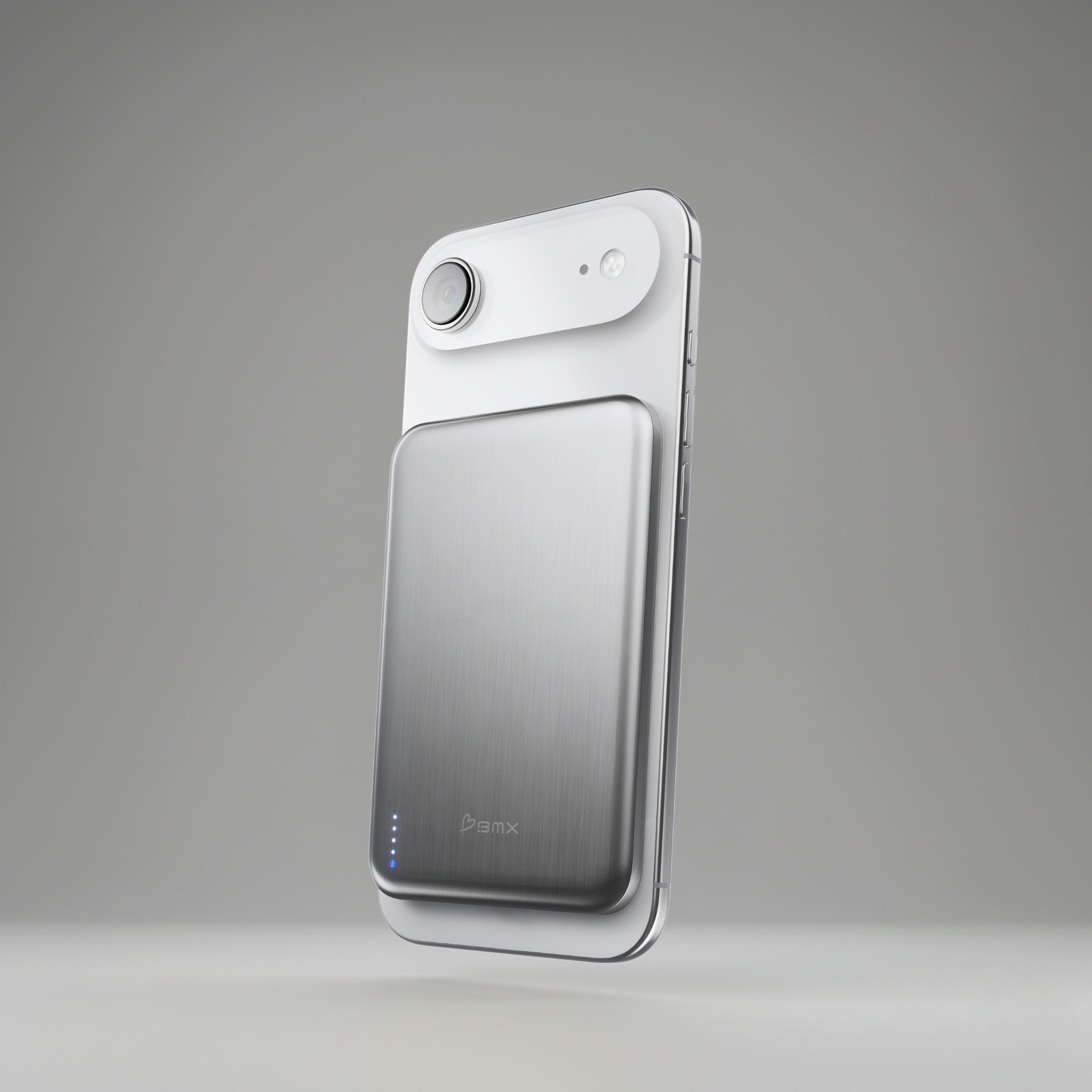
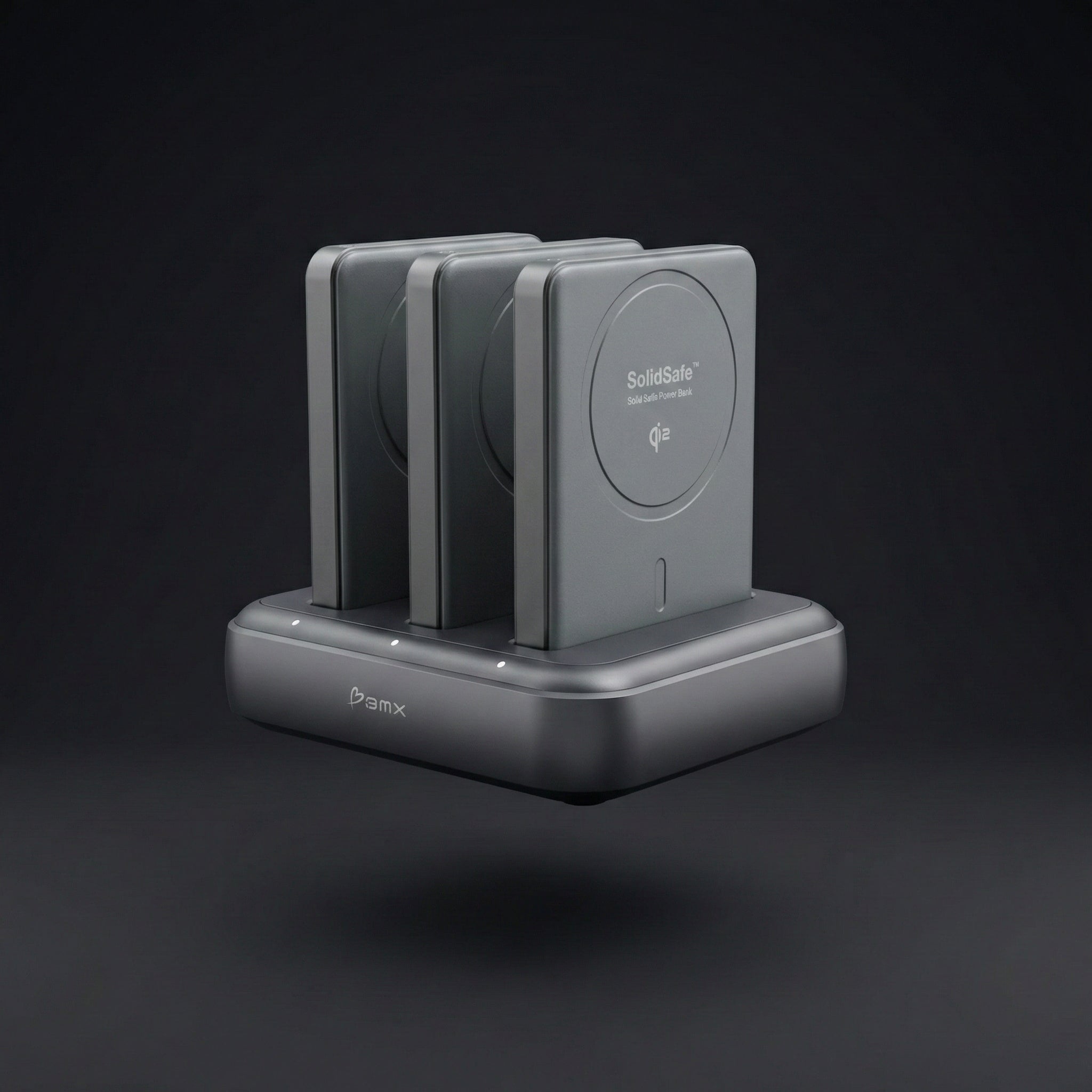
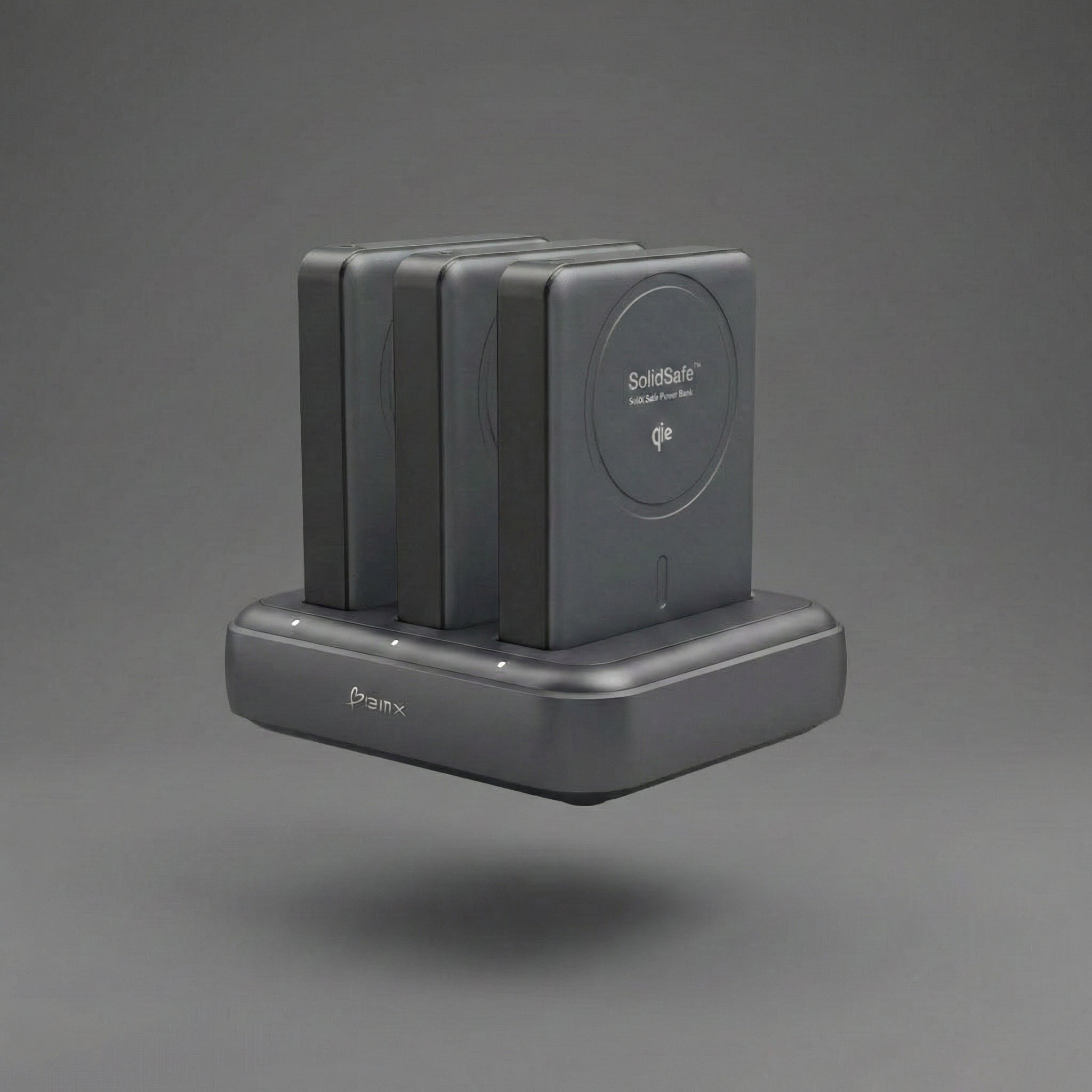
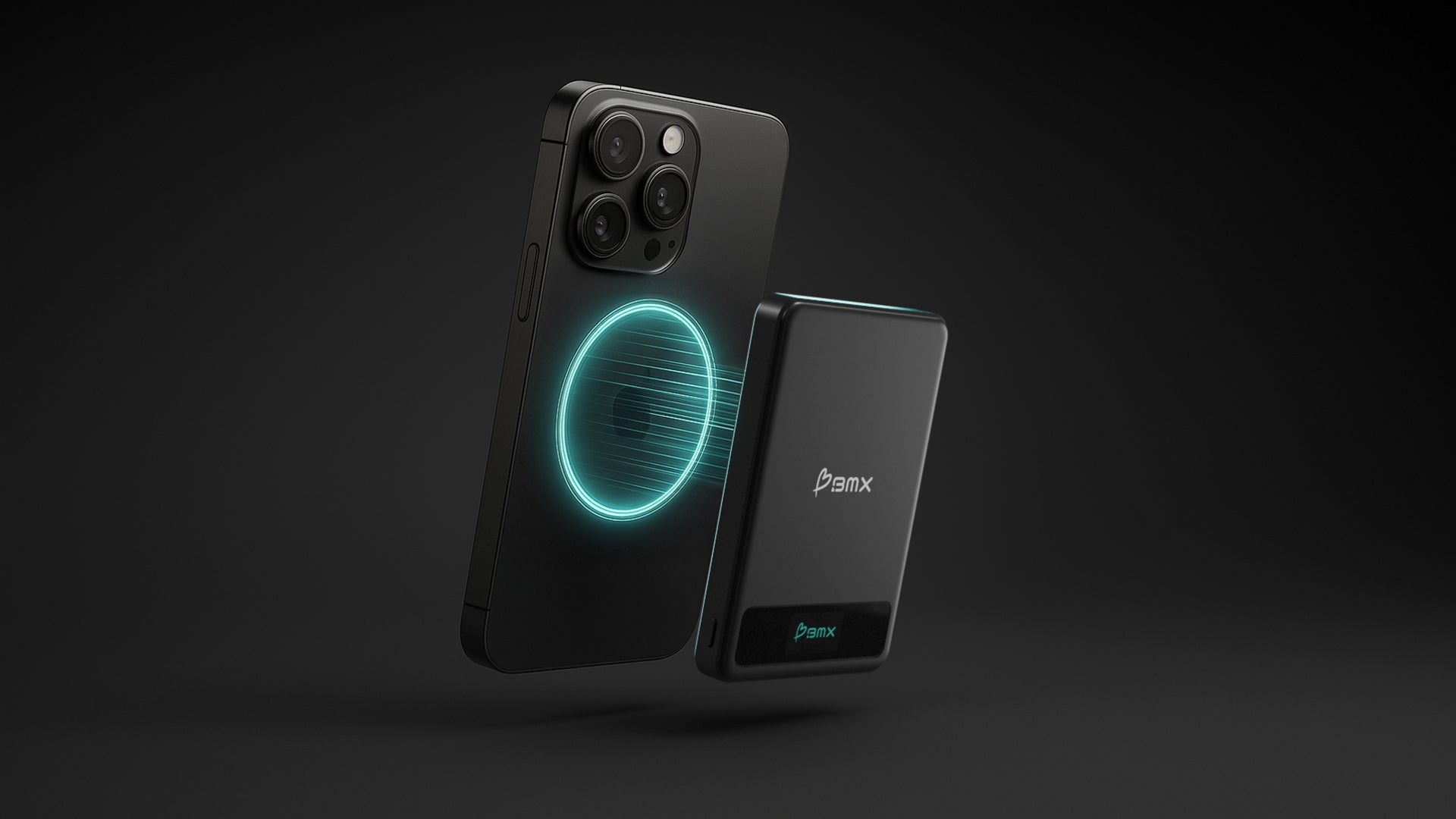
BMX's SolidSafe power banks use semi-solid-state architecture designed to reduce free-flowing liquid electrolyte. The electrolyte is more viscous and less free-flowing - it doesn't vaporize the same way. This architecture reduces the fuel available for thermal runaway if damage occurs. Risk is reduced, not eliminated - no battery is risk-free - but the escalation pathway is significantly harder to trigger.
Protection Circuits
Quality power banks include Battery Management Systems (BMS) that monitor:
- Overcharge protection - stops charging before voltage exceeds safe limits
- Over-discharge protection - prevents deep discharge that damages cells
- Short-circuit protection - cuts power if terminals are bridged
- Temperature monitoring - throttles or shuts down if heat rises
These circuits can't prevent all thermal runaway scenarios (especially physical damage), but they address many common triggers.
Enclosure and Heat Dissipation
Metal enclosures (aluminum, titanium) dissipate heat better than plastic. Heat dissipation matters because thermal runaway is triggered by sustained high temperatures - anything that pulls heat away from cells helps prevent the chain reaction from starting.
What People Get Wrong About Thermal Runaway
Myth: "Only cheap batteries have thermal runaway issues."
Reality: The FAA has documented fires from brand-name devices including phones, laptops, and e-cigarettes. Quality reduces risk, but doesn't eliminate it. Any lithium battery can experience thermal runaway under the wrong conditions.
Myth: "If my power bank passes TSA, it's completely safe."
Reality: TSA screens for prohibited items and verifies capacity limits. They don't test individual cell health or manufacturing quality. A TSA-approved size (under 100Wh) just means the energy content is within acceptable limits - not that the specific unit is damage-free.
Myth: "Thermal runaway only happens from overcharging."
Reality: The FAA lists six trigger categories: damage, overheating, overcharging, water exposure, manufacturing defects, and improper storage. Physical damage (like crushing in checked luggage) is a major concern - which is why spare batteries must travel in carry-on bags where they're protected.
Myth: "Fire extinguishers can stop a battery fire."
Reality: Halon extinguishers can suppress flames temporarily, but thermal runaway is a chemical reaction inside the cell that continues until the cell exhausts its energy. Only cooling with large amounts of water can actually halt the reaction. This is why flight crews are trained to use water and fire containment bags, not just extinguishers.
How BMX Designs for Thermal Stability
BMX's approach to thermal runaway isn't marketing language - it's architecture:
| Design Element | How It Addresses Thermal Runaway |
|---|---|
| Semi-solid-state architecture | Reduced free-flowing liquid electrolyte means less flammable material to vaporize or fuel escalation |
| Aluminum unibody enclosure | Dissipates heat away from cells faster than plastic |
| Multi-layer protection circuit | Monitors charge, discharge, temperature, and short-circuit conditions |
| Airline-compliant capacity (under 100Wh) | Both SolidSafe 5K and 10K stay well under FAA limits |
Semi-solid-state architecture is designed to reduce escalation risk compared to conventional cell designs. With less free-flowing liquid electrolyte, there's less fuel available if a cell is compromised.
This doesn't mean SolidSafe batteries are "fireproof" - no battery is. But the escalation pathway that turns a damaged cell into a fire is harder to trigger when there's less liquid fuel available.
SolidSafe: Built for Travel Confidence
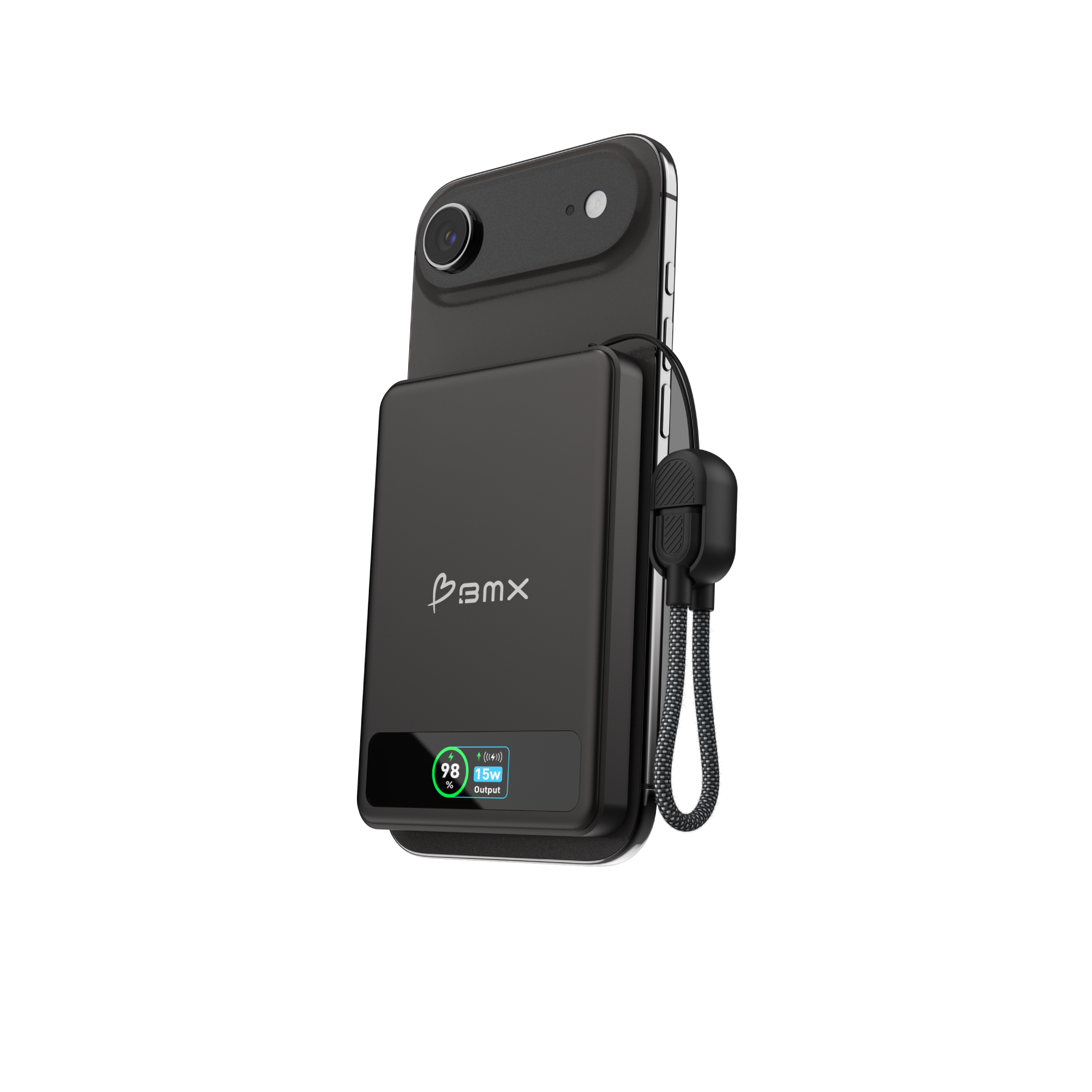
SolidSafe 5K - $79.99
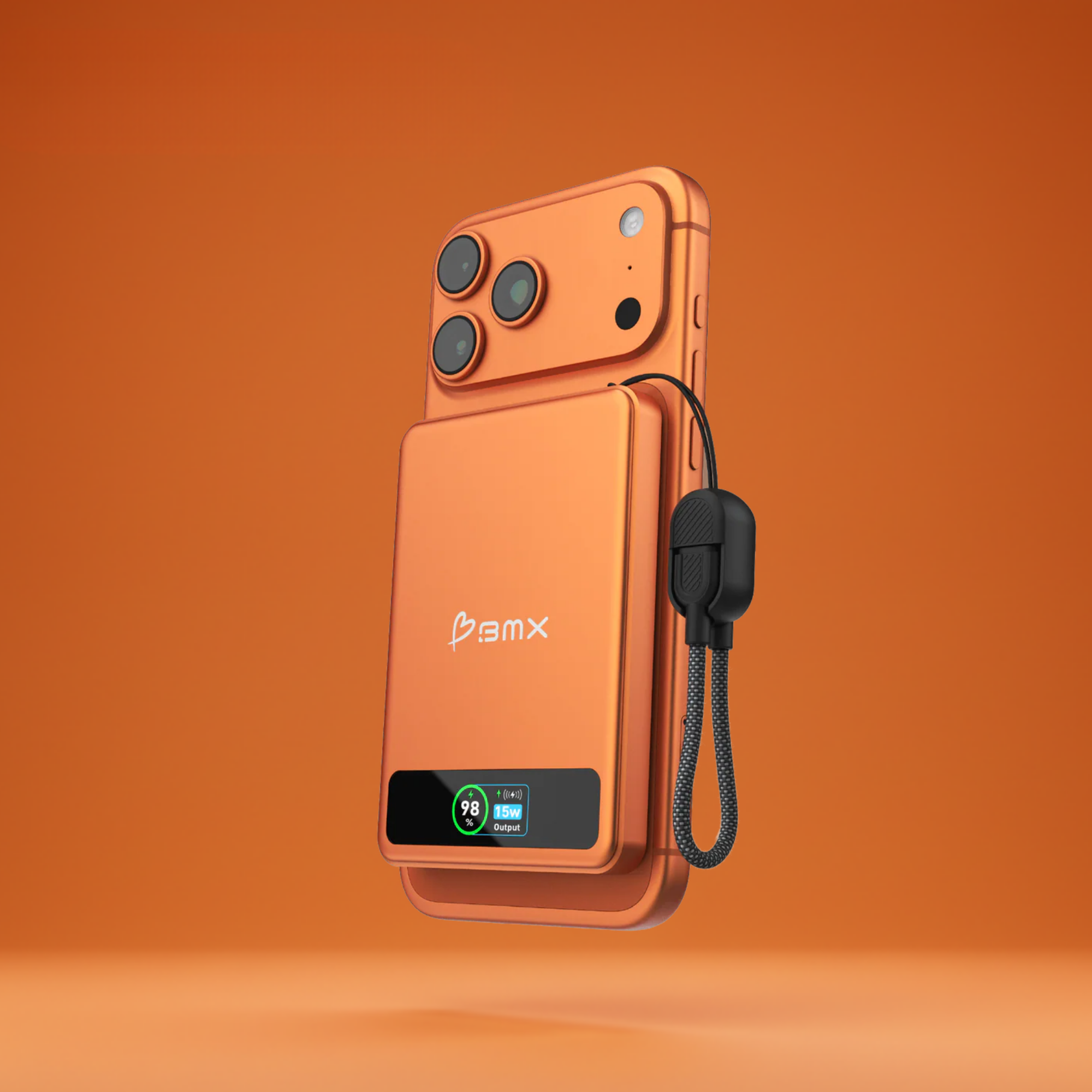
Semi-solid-state architecture with reduced liquid electrolyte. 15W Qi2 magnetic wireless + 20W USB-C PD. 18.5Wh - well under airline limits. Aluminum unibody for heat dissipation.
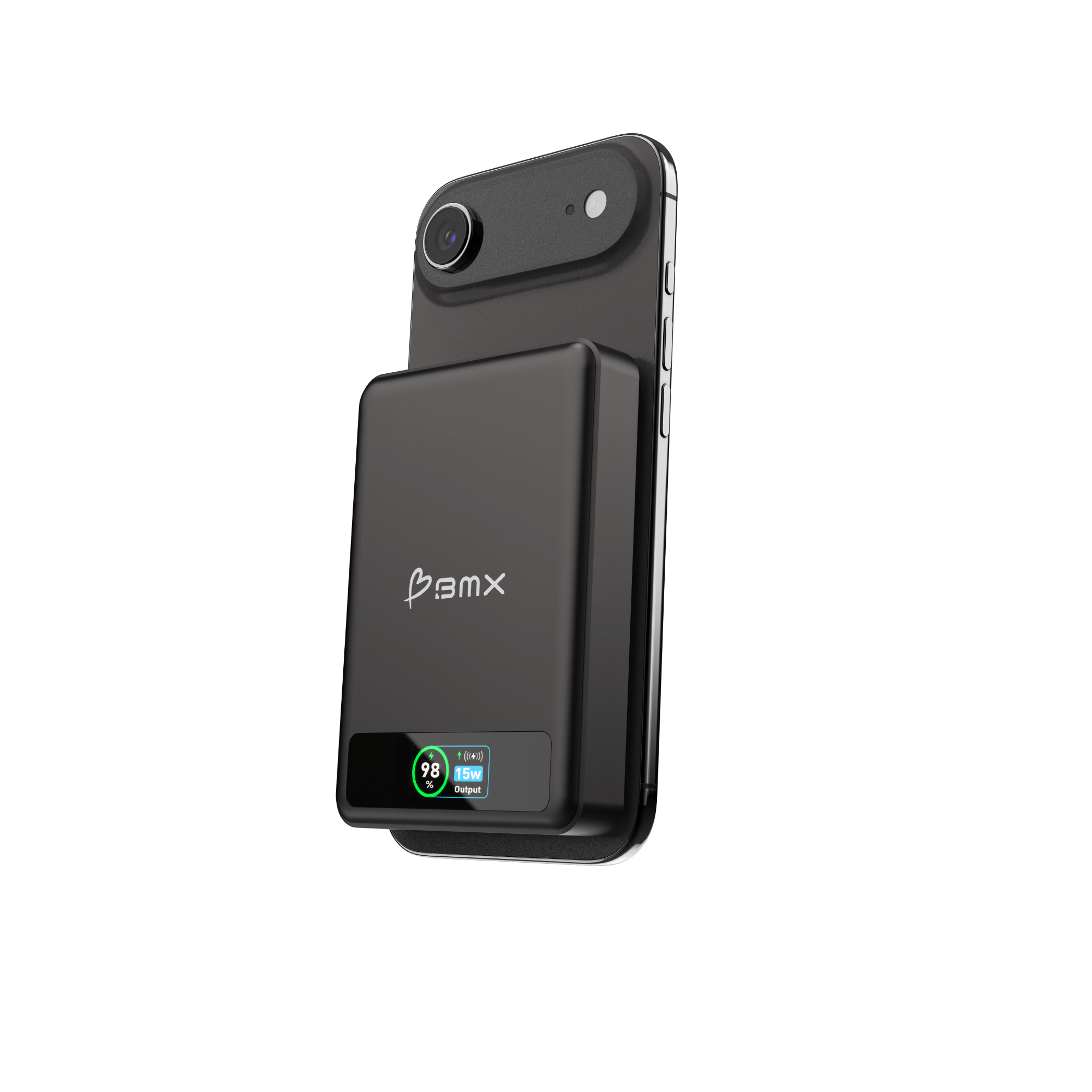
SolidSafe 10K - $99.99
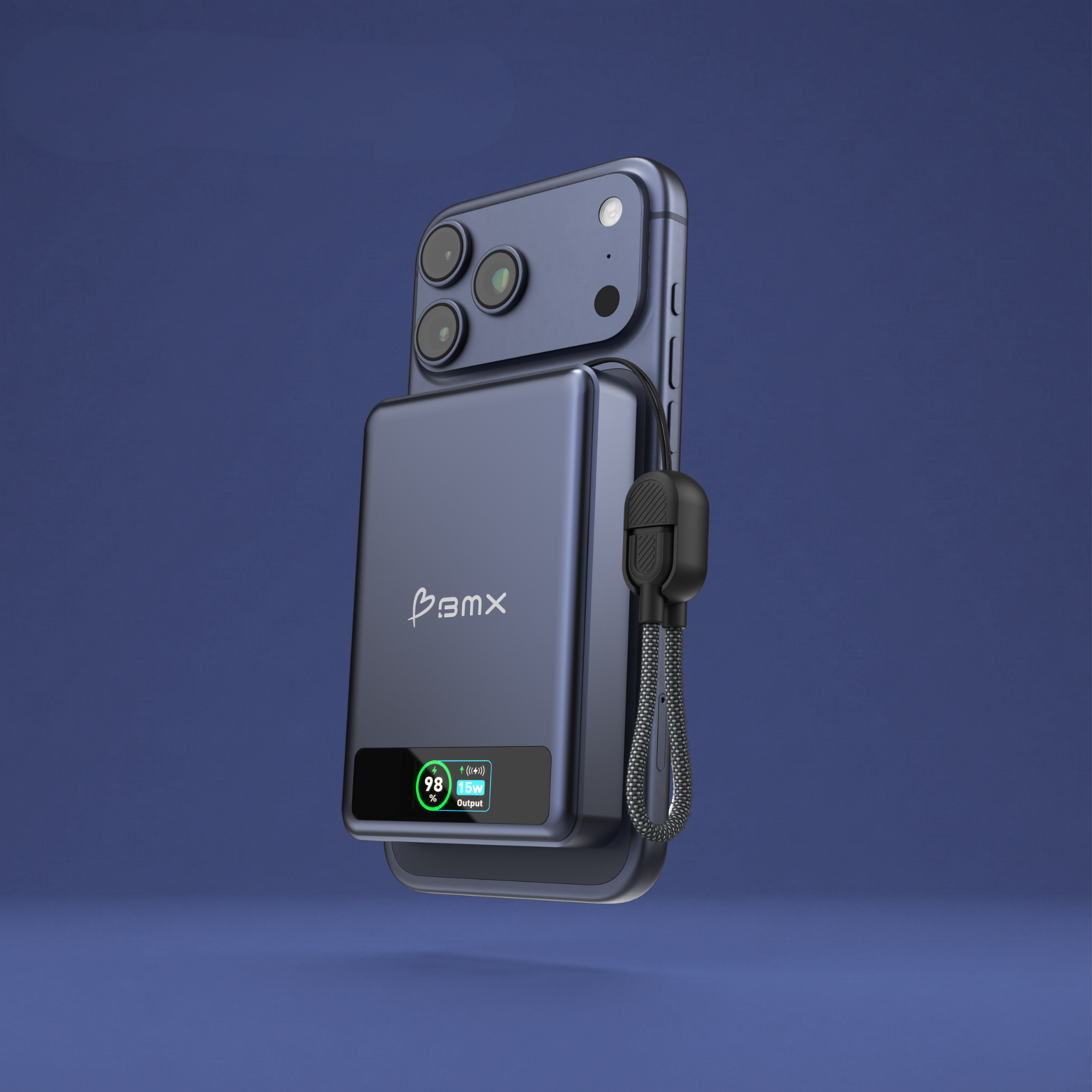
Same semi-solid-state architecture, double the capacity. 37Wh - comfortably under 100Wh limit. Dual USB-C ports at 30W total. Two full phone charges for long travel days.
FAQs
What is thermal runaway in batteries?
Thermal runaway is a self-sustaining chain reaction where heat inside a battery cell triggers more heat, leading to venting of flammable gases, fire, or explosion. Once it starts, it feeds itself until the cell exhausts its stored energy. It's the primary reason lithium batteries are regulated on aircraft.
Why do airlines care about thermal runaway?
A battery fire in a pressurized aircraft cabin can fill the space with toxic smoke within minutes. Cargo hold fires can go undetected until critical. The FAA reports about two thermal runaway events per week on aircraft. These risks are why spare batteries must be carried on (not checked) and why capacity limits exist.
What causes thermal runaway in lithium batteries?
Six main triggers: physical damage (crushing, puncturing), overheating, overcharging, water exposure, manufacturing defects, and improper storage (like loose batteries shorting against metal). Physical damage in checked luggage is a major concern - which is why power banks must travel in carry-on bags.
Can thermal runaway be stopped once it starts?
Halon fire extinguishers can suppress flames temporarily, but they don't stop the internal chemical reaction. Only cooling with large amounts of water can halt thermal runaway by bringing the cell temperature below the reaction threshold. Flight crews are trained to use water and containment bags, not just extinguishers.
What is the 100Wh limit for airplane batteries?
The 100Wh (watt-hour) limit is the FAA's threshold for lithium batteries on passenger aircraft without special approval. Under 100Wh: allowed in carry-on. 100-160Wh: requires airline approval, max 2 spares. Over 160Wh: prohibited on passenger flights. The limit is based on how much energy could be released during thermal runaway.
Do semi-solid-state batteries prevent thermal runaway?
Semi-solid-state batteries reduce thermal runaway risk but don't eliminate it entirely. By using a more viscous electrolyte that reduces free-flowing liquid compared to conventional lithium-ion, there's less flammable fuel if a cell is damaged. Risk is significantly reduced, but no battery is completely risk-free.
How do I know if my power bank is safe to fly with?
Check the Wh rating on the label. Under 100Wh is allowed in carry-on without approval. If only mAh is listed, calculate Wh: mAh × 3.7 ÷ 1000. Also check for visible damage (swelling, dents, smell) - damaged batteries should not be flown. Keep terminals protected and pack in carry-on, never checked bags.
The Bottom Line
Thermal runaway is the reason airlines treat lithium batteries as hazardous materials. It's a real risk - the FAA tracks incidents weekly - and it's why capacity limits, carry-on requirements, and terminal protection rules exist.
But thermal runaway isn't inevitable. Cell architecture matters. Protection circuits matter. How batteries are designed, built, and packed matters. BMX's SolidSafe power banks use semi-solid-state architecture specifically because reducing liquid electrolyte content makes thermal runaway escalation significantly harder to trigger.
No battery is risk-free. But understanding what thermal runaway actually is - and what reduces the risk - helps you make smarter choices about the power you carry.

Leave a comment
This site is protected by hCaptcha and the hCaptcha Privacy Policy and Terms of Service apply.